
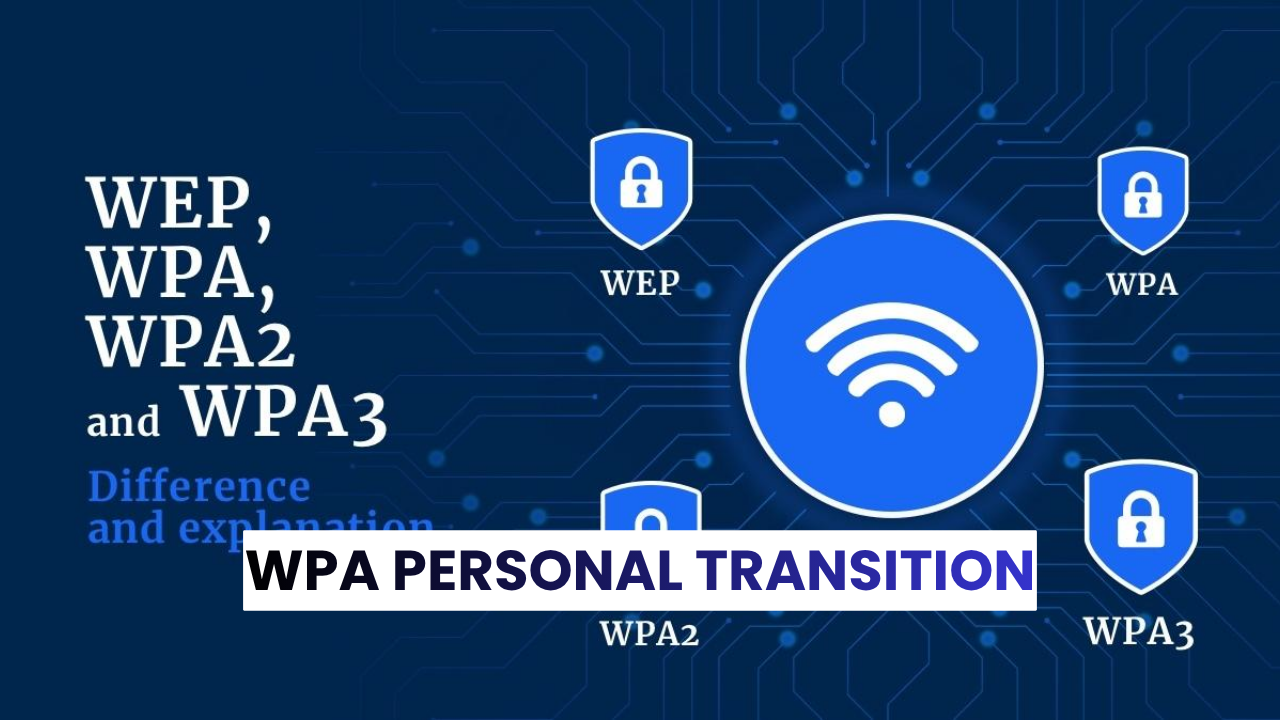
Wireless networks have become the backbone of modern communication, connecting everything from smartphones to smart home devices. As security threats evolve, Wi-Fi encryption standards also continue to improve. One such important concept in this evolution is WPA Personal Transition, a mode designed to bridge older and newer Wi-Fi security systems without disrupting connectivity.
This article explains what it is, how it works, and why it matters for both home users and organizations trying to balance compatibility and security.
Understanding WPA Personal Transition
To understand WPA Personal Transition, it is important to first know the basics of Wi-Fi Protected Access (WPA). WPA is a security protocol used to protect wireless networks from unauthorized access. Over time, it has evolved from WPA to WPA2 and now WPA3, with each version offering stronger encryption and improved protection.
WPA Personal Transition is essentially a mixed security mode that allows WPA2 and WPA3 devices to operate on the same network. Instead of forcing users to upgrade all devices at once, it creates a smooth compatibility layer. This makes it easier for networks to gradually shift toward modern encryption standards.
In simple terms, WPA Personal Transition acts as a bridge between old and new Wi-Fi security technologies.
Why This Mode Exists
Technology adoption is never instant. Even today, many households and businesses still use devices that only support WPA2. Replacing every device at once is not practical.
This is where WPA Personal Transition becomes useful. It allows network administrators and home users to enable WPA3 security without cutting off older devices. Devices that support WPA3 connect using stronger encryption, while older devices continue using WPA2.
This dual-support approach ensures continuity while still moving toward better protection. Without WPA Personal Transition, upgrading Wi-Fi security would often result in connection failures for older devices.
How It Works in Real Networks
When a router is configured with WPA Personal Transition, it broadcasts a single Wi-Fi network that supports both WPA2 and WPA3 authentication methods. Devices automatically negotiate the highest level of security they can handle.
For example, a new smartphone with WPA3 capability will connect using advanced encryption standards, while an older laptop will fall back to WPA2. This happens automatically without requiring the user to manually select anything.
Behind the scenes, WPA Personal Transition ensures that both encryption methods coexist safely within the same network environment.
Bio Table
| Field | Details |
|---|---|
| Author Name | Tech Editorial Team |
| Article Topic | WPA Personal Transition |
| Experience | 5+ Years in Networking & Cybersecurity Content |
| Expertise | Wi-Fi Security, Network Protocols, IT Infrastructure |
| Content Type | Educational / Technical Blog |
| Reviewed By | Network Security Specialist |
| Last Updated | May 2026 |
Security Benefits of Transition Mode
One of the biggest advantages of WPA Personal Transition is improved flexibility without immediate disruption. It allows users to slowly upgrade their infrastructure while maintaining stable connectivity.
Another benefit is that WPA3-capable devices still enjoy stronger protection, including improved password-based authentication and resistance to brute-force attacks. Even though older WPA2 devices remain on the network, they do not affect the encryption strength of WPA3 connections.
In this way, WPA Personal Transition offers a balanced approach between security and compatibility, making it a practical solution for mixed-device environments.
Limitations You Should Know
While WPA Personal Transition is useful, it is not perfect. One of its main limitations is that it cannot deliver full WPA3-level security across the entire network. Since WPA2 is still supported, the overall security posture is partially dependent on older encryption standards.
Another concern is that legacy devices may introduce vulnerabilities. Older hardware or outdated firmware can sometimes become weak points in an otherwise secure network.
Because of this, cybersecurity experts often recommend using WPA Personal Transition only as a temporary solution during migration to WPA3.
When You Should Use It
There are specific situations where WPA Personal Transition is the most practical choice. Homes with a mix of modern and older devices benefit greatly from this setup. It is also commonly used in offices that cannot immediately replace legacy systems.
However, if all devices in a network already support WPA3, it is better to avoid WPA Personal Transition and switch directly to WPA3-only mode for maximum security.
The decision ultimately depends on device compatibility and security requirements.
WPA Evolution and Modern Security Standards
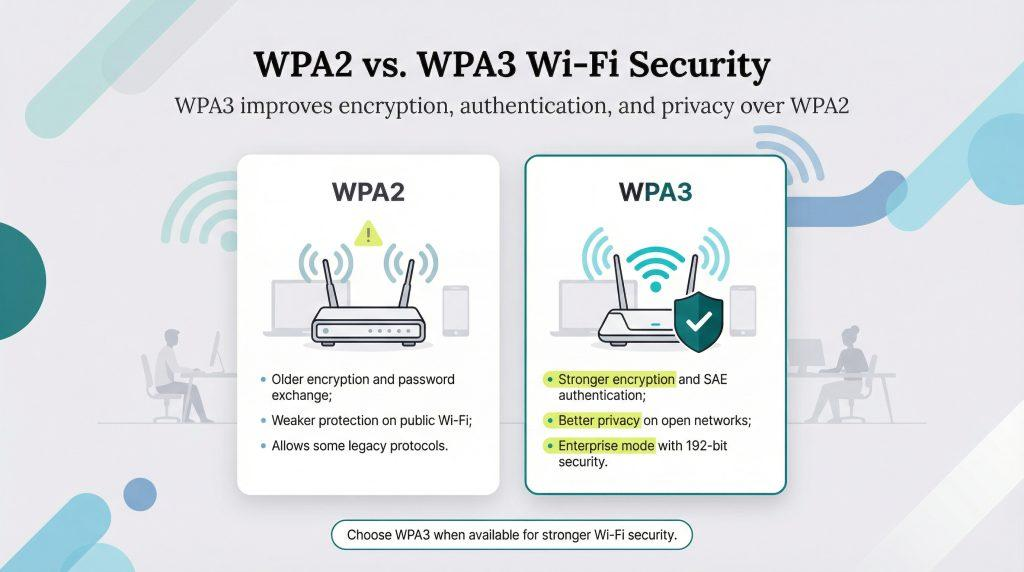
The introduction of WPA3 marked a significant improvement in wireless security. It includes features such as stronger encryption, better protection against password guessing, and improved security for open networks.
In comparison, WPA Personal Transition acts as a temporary compatibility solution during this evolution. It is not a separate standard but a configuration mode that supports the gradual adoption of WPA3.
As more devices become WPA3-ready, the need for WPA Personal Transition will slowly decrease.
Configuration in Real Devices
Most modern routers from brands like TP-Link, Netgear, and ASUS include an option to enable WPA Personal Transition in their wireless security settings. It is usually listed alongside WPA2-Personal and WPA3-Personal options.
When enabled, the router automatically manages device compatibility without requiring user intervention. This makes it especially useful for non-technical users who want better security without complicated setup processes.
Once again, WPA Personal Transition simplifies the transition to modern Wi-Fi encryption.
Future of Wi-Fi Security
As technology continues to advance, WPA3 will eventually become the global standard. At that point, mixed modes like WPA Personal Transition will become less necessary.
However, during the current transition period, it plays a critical role in ensuring a smooth and secure upgrade path. It prevents disruption while still encouraging adoption of stronger security practices.
In the coming years, we can expect Personal Transition to gradually phase out as older devices disappear from use.
Conclusion
Wireless security is constantly evolving, and users must adapt to stay protected.wpa personal transition provides a practical solution for bridging the gap between WPA2 and WPA3 technologies.
It ensures compatibility, supports gradual upgrades, and helps users avoid connectivity issues during migration. At the same time, it reminds us that full WPA3 adoption remains the ultimate goal for stronger network protection.
In everyday usage, Personal Transition stands as a temporary but essential step in the journey toward a more secure wireless future.
FAQs
Q: What is WPA Personal Transition?
A: It is a Wi-Fi security mode that allows WPA2 and WPA3 devices to connect on the same network.
Q: Is WPA Personal safe?
A: Yes, but it is less secure than WPA3-only mode because it still supports WPA2.
Q: Why do routers use WPA Personal Transition?
A: It helps older devices stay connected while upgrading to newer security standards.
Q: Should I use Personal Transition at home?
A: Only if you have older devices that do not support WPA3.
Q: Can Personal Transition affect internet speed?
A: No, it mainly affects security compatibility, not speed.