
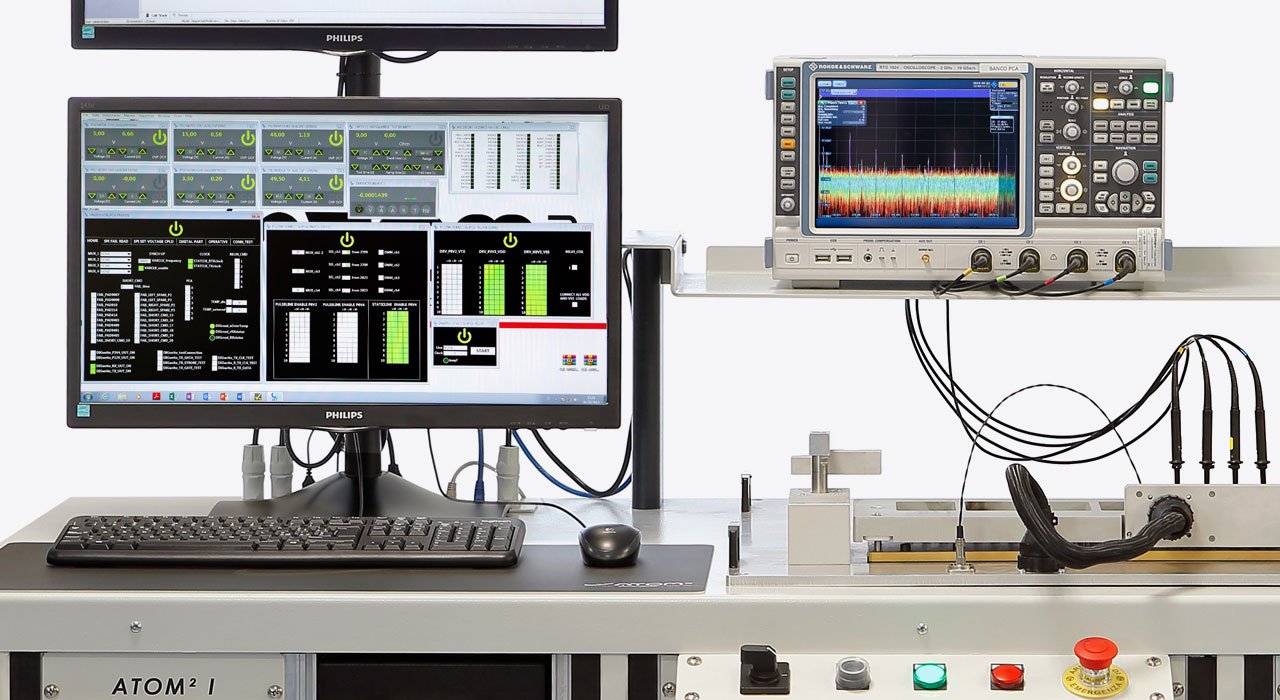
Understanding the Foundation of ARINC Communication
In modern aviation, communication between avionics systems is not just a technical requirement but a safety-critical necessity. Aircraft rely on standardized data exchange methods to ensure every subsystem—from navigation to engine control—works in perfect synchronization. One of the most trusted standards in this ecosystem is the ARINC family of protocols, especially ARINC 429 and ARINC 818, which define how digital information is transmitted across aircraft systems.
At its core, arinc protocol testing is the process of validating these communication standards under real and simulated conditions. It ensures that every data word transmitted between avionics units is accurate, timely, and free from corruption. Without proper validation, even a small communication error could lead to incorrect flight data interpretation, which is unacceptable in aviation environments.
This field has evolved alongside aerospace technology, becoming an essential part of aircraft certification, maintenance, and system integration. Engineers depend on structured arinc protocol testing methods to confirm interoperability between equipment from different manufacturers.
What ARINC Means in Aviation Systems
The term ARINC stands for Aeronautical Radio, Incorporated, an organization that developed communication standards for aviation. Among its most widely used standards, ARINC 429 defines a unidirectional data bus used in commercial aircraft.
ARINC 429 transmits data in 32-bit words, carrying information such as altitude, airspeed, and system status between avionics units. Each message includes a label that identifies the type of data being sent.
Another advanced standard, ARINC 818, is used for high-speed digital video transmission in cockpit displays and mission systems. Unlike ARINC 429, which is data-focused, ARINC 818 is designed for uncompressed video streams, making it critical for modern glass cockpits.
The importance of these standards makes arinc protocol testing essential for ensuring that both data and video communication channels operate without interruption or mismatch.
Why ARINC Protocol Testing Matters in Aviation Safety
Aircraft systems depend on continuous and reliable data exchange. A faulty altitude reading or delayed navigation update can directly affect flight safety. This is where arinc protocol testing plays a vital role by ensuring that every transmitted signal is verified before deployment.
During aircraft integration, engineers simulate communication between avionics units to confirm that data formats match ARINC specifications. Any deviation in timing, voltage levels, or message structure is flagged and corrected during testing.
In real-world scenarios, arinc protocol testing also helps identify issues such as signal interference, incorrect labeling, or data loss caused by wiring faults. These checks are crucial for preventing system-level failures in both commercial and military aircraft.
How ARINC Communication Works in Practice
To understand arinc protocol testing, it is important to first understand how ARINC communication functions. In a typical aircraft system, one transmitter sends data continuously to multiple receivers. Each message follows a strict 32-bit structure containing label, data, source/destination information, and parity bits.
The system operates at fixed speeds, usually 12.5 kbps or 100 kbps depending on configuration. Because communication is unidirectional, receivers cannot respond directly to transmitters, which simplifies the architecture but requires strict validation.
During arinc protocol testing, engineers verify whether these messages are correctly generated, transmitted, and interpreted. Even a small bit error can result in incorrect system behavior, which is why precision testing tools are essential.
Testing Methods Used in Avionics Systems
Modern arinc protocol testing involves both hardware and software-based validation techniques. Engineers often use protocol analyzers that decode live data streams and display message structures in real time.
Hardware-in-the-loop (HIL) simulation is another widely used method. It allows engineers to simulate aircraft conditions and test avionics systems before actual deployment. This method helps replicate real flight scenarios without risk.
Additionally, signal integrity testing ensures that electrical characteristics such as voltage levels, rise times, and noise immunity comply with ARINC standards. These combined methods make arinc protocol testing a comprehensive verification process rather than a simple diagnostic step.
| Field | Details |
|---|---|
| Topic | ARINC Protocol Testing |
| Industry | Aerospace & Avionics |
| Focus | Aircraft communication validation |
| Standards | ARINC 429, ARINC 818 |
| Purpose | Ensuring safe and accurate avionics data exchange |
| Usage Area | Aircraft systems, simulators, avionics labs |
| Testing Type | Signal, data integrity, timing, and system validation |
Tools and Technologies Used in ARINC Validation
The complexity of avionics communication requires advanced testing equipment. Protocol analyzers are commonly used to decode ARINC messages and detect errors in real time. These tools are essential in arinc protocol testing, especially during system integration phases.
Simulation platforms allow engineers to emulate aircraft networks and test multiple avionics systems simultaneously. Some advanced systems also support automated test scripting, enabling repeated validation cycles with minimal manual intervention.
In modern aerospace labs, specialized video analyzers are used for ARINC 818 validation, ensuring that cockpit displays receive accurate and synchronized video feeds. These tools collectively strengthen the reliability of arinc protocol testing across different aircraft systems.
Benefits of ARINC Testing in Aerospace Development
One of the major advantages of arinc protocol testing is improved safety assurance. By validating communication accuracy before deployment, engineers reduce the risk of in-flight system errors.
It also enhances interoperability between equipment from different manufacturers. Since modern aircraft often use components sourced globally, standard compliance testing ensures seamless integration.
Another benefit is reduced maintenance cost. Early detection of communication issues during testing prevents expensive repairs after deployment. As aircraft systems become more digital and interconnected, arinc protocol testing continues to play a central role in lifecycle management.
Real-World Applications in Aircraft Systems
In commercial aviation, ARINC protocols are used across multiple subsystems including flight management computers, autopilot systems, and navigation modules. Each of these systems depends on verified communication to function correctly.
Defense aircraft also rely heavily on ARINC standards for mission-critical data exchange. Here, arinc protocol testing ensures that encrypted or high-speed data links remain stable under extreme conditions.
Even flight simulators use ARINC-based communication models to replicate real cockpit environments for pilot training. This ensures consistency between simulation and real-world flight behavior.

Public Profile Information and Misconceptions
It is important to clarify that arinc protocol testing is not associated with any individual person. Therefore, details such as age, height, family, net worth, or social media profiles do not apply in this context.
Unlike celebrities or public figures, ARINC is a technical aviation standard rather than a personal identity. Any attempt to assign human attributes to it would be incorrect. Instead, its significance lies entirely in its engineering value and contribution to aviation safety.
Challenges in ARINC Protocol Testing
Despite its importance, arinc protocol testing presents several challenges. One of the main issues is the complexity of modern avionics systems, where multiple communication standards coexist in a single aircraft.
Another challenge is ensuring accurate simulation of real flight conditions. Environmental factors such as temperature changes, vibration, and electromagnetic interference can affect communication behavior.
Additionally, as aircraft systems evolve toward higher data rates and integrated networks, traditional ARINC testing methods must adapt to support new technologies while maintaining backward compatibility.
The Future of ARINC-Based Communication Testing
The future of arinc protocol testing is closely linked with advancements in aerospace digitalization. As aircraft become more software-driven, testing methods are shifting toward automation and AI-based validation systems.
More advanced simulation platforms are being developed to handle complex avionics networks, reducing the need for physical prototyping. This not only speeds up development but also improves accuracy in detecting communication faults.
With the growing adoption of digital avionics and next-generation cockpit systems, arinc protocol testing will continue to evolve as a critical part of aviation safety and system reliability.
Final Thoughts
In modern aviation, communication accuracy defines safety, performance, and reliability. Through structured validation processes, arinc protocol testing ensures that every avionics system operates exactly as intended.
From data integrity checks to full system simulations, this testing approach has become an indispensable part of aircraft design and maintenance. As aviation technology advances further, the role of ARINC-based validation will only become more significant in ensuring safer skies for everyone.
FAQs on ARINC Protocol Testing
Q: What is ARINC protocol testing?
A: It is the process of checking avionics communication systems to ensure accurate and error-free data exchange using ARINC standards.
Q: Why is ARINC protocol testing important?
A: It ensures aircraft systems communicate correctly, improving safety, reliability, and system performance.
Q: Which ARINC standard is most commonly tested?
A: ARINC 429 is the most widely used standard in commercial aircraft data communication.
Q: What tools are used in ARINC protocol testing?
A: Protocol analyzers, HIL simulators, and avionics test benches are commonly used.
Q: Where is ARINC protocol testing applied?
A: It is used in aircraft manufacturing, maintenance, avionics integration, and flight simulation systems.