
Introduction
Modern digital infrastructure depends heavily on fast and reliable data movement between storage systems and servers. In enterprise environments, even a small delay in data transfer can affect applications, databases, and business operations. This is where storage networking tools become essential. Among these tools, the fibre channel analyzer plays a critical role in maintaining performance, stability, and visibility in Storage Area Networks (SANs).
A fibre channel analyzer is widely used in data centers where high-speed storage communication is non-negotiable. It helps engineers understand what is happening inside the network at a very deep level, far beyond what normal monitoring tools can show. By capturing and decoding traffic, it allows precise troubleshooting and optimization of storage environments built on Fibre Channel technology.
Understanding Fibre Channel Technology
To understand the importance of a fibre channel analyzer, it is necessary to first understand the environment it operates in. Fibre Channel is a high-speed network protocol designed specifically for storage communication. It is commonly used in enterprise Storage Area Networks due to its reliability, low latency, and ability to handle large volumes of data efficiently.
Unlike standard Ethernet networks, Fibre Channel is built to be lossless and highly deterministic. This makes it ideal for mission-critical systems such as banking databases, cloud infrastructure, and enterprise applications. Because of its complexity and speed, specialized tools like a fibre channel analyzer are required to observe and diagnose network behavior accurately.
What is a Fibre Channel Analyzer
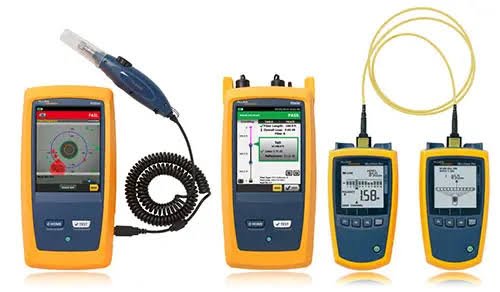
A fibre channel analyzer is a diagnostic and monitoring tool used to capture, inspect, and interpret Fibre Channel traffic flowing between storage devices and servers. It provides a detailed breakdown of data frames and helps engineers understand performance behavior within a storage network.
In simple terms, a fibre channel analyzer works like a “lens” into the storage network. Without it, administrators only see symptoms of problems such as slow performance or errors. With it, they can see the actual cause, whether it is congestion, misconfiguration, or hardware issues.
This makes the fibre channel analyzer an essential tool in enterprise storage environments where downtime or inefficiency can lead to significant financial impact.
How It Works in Real Environments
The working process of a fibre channel analyzer involves several technical steps, although the concept remains straightforward.
First, it connects to the Fibre Channel network using methods like port mirroring or optical taps. Once connected, it begins capturing live traffic between devices.
Next, it decodes the captured frames into readable information. This includes command exchanges, data transfers, and error messages. The fibre channel analyzer then organizes this data so engineers can filter and inspect it based on specific requirements.
Finally, it generates visual reports and performance statistics. These insights help identify slow links, retransmissions, or abnormal behavior within the storage network. In large data centers, this process is continuous to ensure consistent monitoring and stability.
Importance in Modern Data Centers
Modern data centers depend heavily on uninterrupted access to stored data. Applications such as virtualization, cloud computing, and big data analytics require extremely fast storage response times. Even minor delays can affect entire systems.
A fibre channel analyzer becomes a key component in ensuring this stability. It allows administrators to monitor traffic patterns in real time and detect issues before they escalate into failures.
In environments where multiple storage arrays and servers interact simultaneously, visibility is critical. The fibre channel analyzer provides that visibility by breaking down complex communication into understandable data points.
Without such tools, troubleshooting becomes slow and often reactive rather than proactive.
Key Features That Make It Powerful
A fibre channel analyzer includes several advanced capabilities that make it essential in enterprise environments.
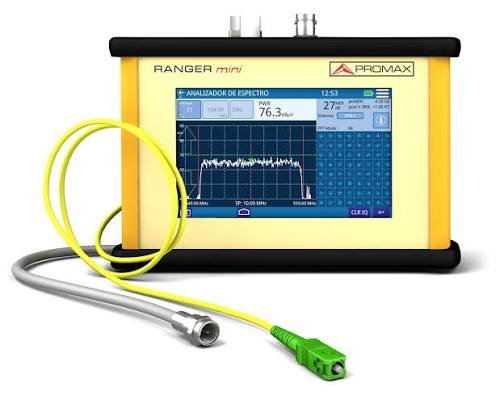
It offers real-time traffic monitoring, allowing engineers to observe live communication between devices. It also provides deep frame inspection, which reveals the exact structure of storage commands and responses.
Another important feature is error detection. The fibre channel analyzer can identify malformed frames, retransmissions, and performance bottlenecks.
It also supports performance measurement, helping administrators track latency and throughput across different network paths. This ensures that storage systems operate within expected performance limits.
These features combined make it one of the most reliable diagnostic tools in storage networking.
Benefits for Organizations
Organizations that rely on storage-heavy infrastructure gain significant advantages from using a fibre channel analyzer.
One of the biggest benefits is faster troubleshooting. Instead of guessing the cause of performance issues, engineers can directly observe the problem at the protocol level.
Another major benefit is improved efficiency. By analyzing traffic patterns, storage administrators can optimize configurations and balance workloads more effectively.
It also helps reduce downtime. Early detection of errors means issues can be fixed before they affect business operations.
Additionally, the fibre channel analyzer supports long-term performance planning by providing historical data and trend analysis. This helps organizations scale their infrastructure more effectively.
Real-World Applications
In real-world environments, the fibre channel analyzer is used in several critical scenarios.
Large enterprise data centers rely on it to monitor Storage Area Networks where thousands of transactions occur every second. It is also used during hardware testing by manufacturers to validate Fibre Channel switches, adapters, and storage arrays.
Cloud service providers use it to ensure their storage infrastructure remains stable under heavy workloads. Similarly, financial institutions depend on it to maintain fast database access and prevent transaction delays.
In all these cases, the fibre channel analyzer ensures that storage communication remains reliable and efficient.
Challenges and Limitations
Despite its advantages, a fibre channel analyzer also comes with certain challenges.
One limitation is its complexity. Interpreting Fibre Channel data requires skilled engineers who understand storage protocols deeply. Without proper knowledge, the data collected may not be useful.
Another challenge is cost. High-end fibre channel analyzer tools can be expensive, making them less accessible for smaller organizations.
There is also the challenge of data volume. In large environments, the amount of captured traffic can be overwhelming, requiring strong filtering and analysis strategies.
Even with these limitations, its value in enterprise environments remains extremely high.
Future of Storage Analysis Technology
As data centers continue to evolve, storage networks are becoming faster and more complex. Technologies like NVMe over Fabrics are emerging, but Fibre Channel still remains widely used in enterprise systems.
The future of the fibre channel analyzer lies in automation and artificial intelligence. Future tools are expected to provide automated anomaly detection, predictive analysis, and smarter visualization dashboards.
Integration with cloud monitoring platforms will also make these tools more accessible and scalable. As infrastructure grows, the need for intelligent analysis tools will continue to increase.
Even with evolving technologies, the core role of the fibre channel analyzer will remain the same: ensuring visibility and performance in storage networks.
Conclusion
The fibre channel analyzer is a vital tool in modern storage networking. It provides deep visibility into Fibre Channel environments, helping organizations maintain performance, reliability, and stability.
From troubleshooting network issues to optimizing data flow, its role is essential in enterprise data centers. As storage systems become more complex, the importance of accurate and detailed analysis continues to grow.
Whether used in cloud infrastructure, financial systems, or large-scale enterprise environments, the fibre channel analyzer remains a trusted solution for ensuring smooth and efficient data communication.
FAQs fibre channel analyzer
Q: What is a fibre channel analyzer used for?
A: It is used to monitor, capture, and analyze Fibre Channel storage network traffic for troubleshooting and performance optimization.
Q: Does a fibre channel analyzer improve network speed?
A: Not directly, but it helps identify bottlenecks that can be fixed to improve overall performance.
Q: Where is a fibre channel analyzer commonly used?
A: It is mainly used in data centers, enterprise SAN environments, and storage testing labs.
Q: Is technical knowledge required to use it?
A: Yes, understanding Fibre Channel protocols is important for accurate analysis.
Q: Can it detect network errors?
A: Yes, it can detect frame errors, latency issues, and abnormal storage traffic behavior.