
Introduction
Education systems across the world are rapidly shifting toward digital-first learning environments. Schools are no longer limited to traditional computer labs or fixed desktop systems. Instead, many institutions are adopting VDI (Virtual Desktop Infrastructure) services for school education to improve accessibility, security, and scalability in learning.
vdi services for school education allows schools to deliver complete desktop environments to students and teachers through a centralized system. Rather than depending on physical machines, users access their desktop remotely from any device connected to the internet. This approach is reshaping how schools manage IT infrastructure and how students interact with educational tools.
In modern education frameworks, platforms such as Microsoft Azure Virtual Desktop, VMware Horizon, and Citrix DaaS are widely used examples of VDI-based systems that support remote learning and centralized control. These technologies are becoming essential in building smart classrooms and hybrid learning models.
Understanding VDI in Education
VDI in education refers to a system where virtual desktops are hosted on a central server or cloud infrastructure and delivered to end users over the internet. Each student or teacher logs into a secure environment that behaves like a normal computer desktop.
Unlike traditional computer labs where every machine requires separate installation and maintenance, VDI centralizes everything. Applications, operating systems, and data are stored and managed in one location. The user simply connects to it using a laptop, tablet, or even a low-end device.
This model is especially useful for schools that want to reduce hardware dependency while improving learning flexibility. Students can access the same digital environment at school and at home without any difference in performance or experience.
Bio Table
| Field | Details |
|---|---|
| Topic | VDI Services for School Education |
| Category | Educational Technology / Cloud Computing / IT Infrastructure |
| Focus | Virtual Desktop Infrastructure in modern schools |
| Purpose | Improve remote learning, reduce IT cost, enhance security |
| Technology Used | Cloud computing, virtualization, remote desktop systems |
| Users | Students, Teachers, School Administrators |
| Key Benefit | Access full desktop environment from any device |
How VDI Works in School Systems
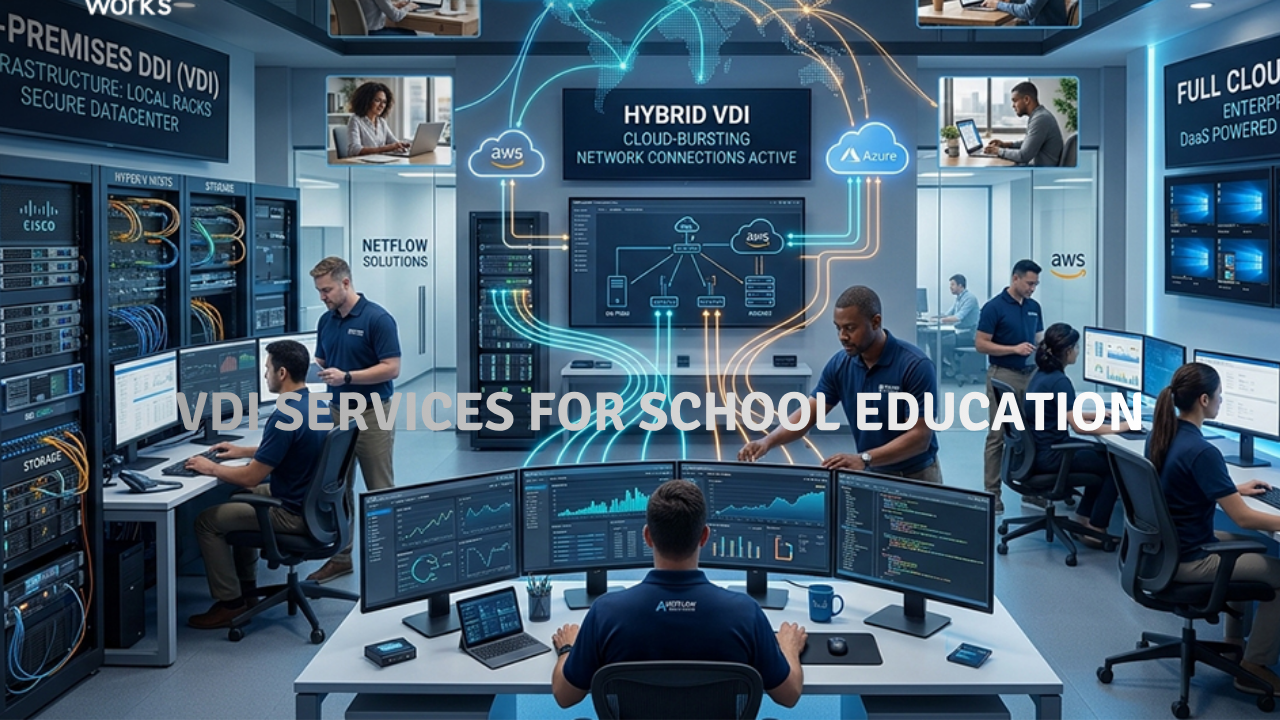
The working model of VDI in education is based on centralized computing. A powerful server or cloud platform hosts multiple virtual desktops simultaneously. When a student logs in, the system assigns a virtual machine that includes all required applications and settings.
All processing happens on the server side, while the user device only displays the interface. This means even basic devices can run complex software like coding environments, design tools, or simulation programs.
Schools often use a combination of persistent and non-persistent virtual desktops. Persistent desktops retain user settings and files, while non-persistent desktops reset after each session, which is useful for shared labs and examination environments.
Role in Modern Learning Environments
The introduction of VDI has significantly improved how schools deliver education.vdi services for school education In many regions, especially where digital infrastructure is still developing, VDI allows schools to overcome hardware limitations.
Students in remote or rural areas can access the same educational tools as those in urban schools. Teachers can also conduct virtual classes, manage assignments, and monitor student progress from a centralized dashboard.
This technology supports blended learning models where physical classrooms and digital platforms work together. It also helps schools prepare for emergency situations like pandemics or natural disruptions by enabling remote learning continuity.
Benefits of VDI Services for School Education
One of the most important advantages of VDI in education is accessibility. Students can log in from anywhere and continue their learning without being restricted to school premises. This flexibility improves engagement and reduces learning gaps.
Security is another major benefit. Since all data is stored on centralized servers, the risk of data loss or unauthorized access is significantly reduced. Schools can implement strict access controls and monitor system activity in real time.
Cost efficiency also plays a major role. Schools do not need to invest heavily in high-performance computers for every student. Instead, they can use lightweight devices connected to the VDI system, reducing hardware and maintenance costs.
Another advantage is software consistency. Every student uses the same version of applications, which eliminates compatibility issues. Updates and upgrades can be applied centrally without affecting individual systems.
VDI also supports environmental sustainability. By reducing the need for physical hardware upgrades, schools can lower electronic waste and energy consumption.
Challenges in Implementation
Despite its advantages, VDI (vdi services for school education) adoption in schools comes with certain challenges. One of the main issues is dependency on internet connectivity. A stable and high-speed connection is required for smooth performance. In areas with weak infrastructure, this can be a limitation.
Initial setup costs can also be high, especially for on-premises VDI systems. Schools may need to invest in servers, storage systems, and technical expertise before deployment.
Another challenge is system complexity. Managing virtual desktops requires skilled IT staff who understand cloud computing, network security, and virtualization technologies. Without proper management, performance issues can arise.
Bandwidth usage is another concern. Since all desktop activity is streamed over the network, heavy usage can strain school internet resources.
Security and Data Protection
Security is one of the strongest aspects of VDI systems in education. Traditional school computers are often vulnerable to malware, data theft, or accidental file deletion. VDI eliminates many of these risks by storing everything in a controlled environment.
Advanced encryption, multi-factor authentication, and role-based access controls ensure that only authorized users can access sensitive data. Schools can also isolate virtual environments, preventing students from interfering with system configurations.
Backup and disaster recovery are easier in VDI systems. Since all data is centralized, restoring information after a failure is faster and more efficient compared to traditional systems.
VDI in Hybrid and Remote Learning
The rise of hybrid education models has made VDI more relevant than ever. Schools now combine physical classrooms with online learning environments. VDI enables this transition by providing consistent access to learning tools across both formats.
Students attending online classes can use the same virtual desktops as those in physical labs. Teachers can conduct interactive lessons, share resources, and monitor progress in real time.
This flexibility has made VDI a core component in modern educational strategies, especially in higher education institutions and digital academies.vdi services for school education
Future of VDI in Education
The future of VDI in school education is closely linked to cloud computing and artificial intelligence. Cloud-based VDI solutions are becoming more scalable and affordable, making them accessible to smaller institutions.
AI integration is also expected to enhance personalized learning experiences. Virtual desktops may soon adapt automatically based on student performance and learning patterns.
As 5G and high-speed internet become more widely available, VDI performance will continue to improve, making remote education smoother and more interactive.
Educational technology companies are also investing heavily in virtual learning ecosystems, which suggests that VDI (vdi services for school education) will remain a key infrastructure component in the coming years.

Implementation in Schools
Successful implementation of VDI requires careful planning. Schools must evaluate their existing IT infrastructure and determine whether cloud-based or on-premises solutions are more suitable.
Training teachers and IT staff is equally important. Without proper understanding, the system may not be used to its full potential.
Gradual deployment is often recommended. Schools typically start with computer labs or specific departments before expanding to full-scale adoption.
Collaboration with experienced vendors such as Microsoft, VMware, or Citrix ensures better reliability and long-term support.
Conclusion
VDI services for school education represent a major shift in how learning environments are structured and managed. By centralizing computing resources and enabling remote access, VDI improves accessibility, reduces costs, and strengthens security.
Although challenges like connectivity and infrastructure requirements exist, the long-term benefits outweigh the limitations. As education continues to evolve, VDI will play a crucial role in building flexible, digital-first learning systems that support students and teachers alike.
FAQs
Q: What is VDI services for school education?
A: VDI services for school education allow students and teachers to access virtual desktops online instead of relying on physical school computers.
Q: Why do schools use VDI services for school education?
A: Schools use VDI services for school education to reduce hardware costs, improve data security, and support flexible remote learning environments.
Q: Can students use VDI services for school education from home?
A: Yes, students can easily access VDI services for school education from home using any device with an internet connection.
Q: Are VDI services for school education secure?
A: VDI services for school education are highly secure because all data is stored centrally with strong access controls and encryption.
Q: What are the challenges of VDI services for school education?
A: The main challenges of VDI services for school education include internet dependency, initial setup costs, and the need for skilled IT management.