
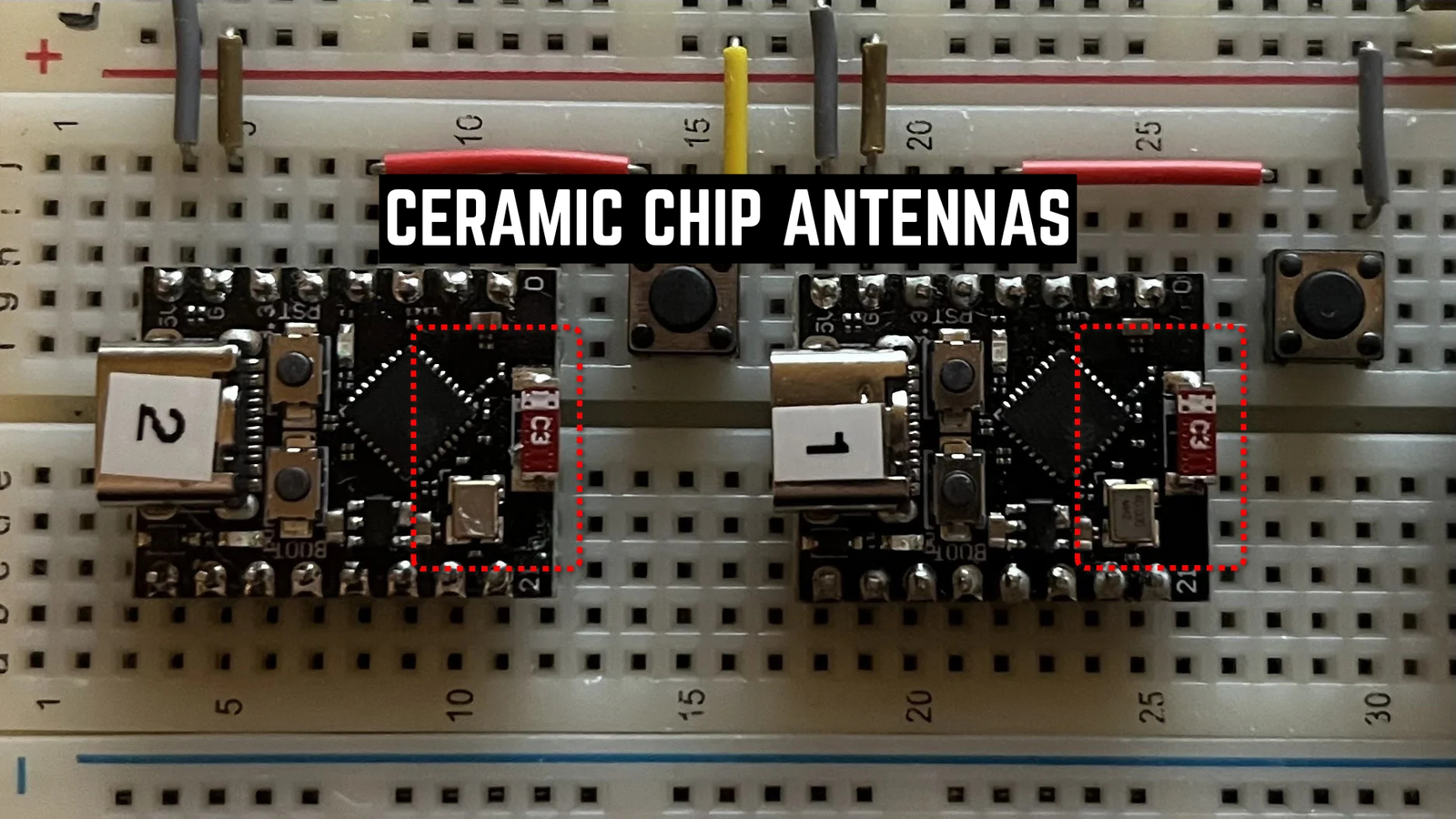
Introduction to Ceramic Chip Antennas
Ceramic chip antennas have become a key component in modern wireless communication systems. As electronic devices continue to become smaller, faster, and more connected, the demand for compact and efficient antennas has grown significantly. These antennas are designed to deliver reliable performance while occupying minimal space, making them ideal for today’s portable and smart devices.
In simple terms, ceramic chip antennas allow devices to communicate wirelessly without needing large external antenna structures. Their compact design and stable functionality make them a preferred choice for engineers working on advanced electronic systems. From smartphones to smart home devices, ceramic chip antennas are quietly powering the connected world around us.
What Are Ceramic Chip Antennas?
Ceramic chip antennas are small surface-mounted antennas made using high dielectric ceramic materials. They are specifically engineered to transmit and receive radio frequency (RF) signals within compact electronic devices. Unlike traditional antennas, these are directly mounted onto a printed circuit board (PCB), which helps save space and simplifies the design process.
The ceramic material used in these antennas plays an important role. It allows the antenna to maintain good electrical performance even though its physical size is very small. Because of this, ceramic chip antennas are widely used in wireless technologies such as Wi-Fi, Bluetooth, GPS, and IoT communication systems.
Working Principle of Ceramic Chip Antennas
The operation of ceramic chip antennas is based on electromagnetic resonance. When an electrical signal is applied to the antenna, it excites the ceramic material inside the chip. This excitation causes the antenna to resonate at a specific frequency, enabling it to transmit or receive wireless signals.
Bio Table: Ceramic Chip Antennas
| Field | Details |
| Name | Ceramic Chip Antennas |
| Category | Electronic Component / RF Antenna |
| Type | Surface-Mount Device (SMD) |
| Material | High Dielectric Ceramic |
| Function | Transmit and Receive RF Signals |
| Frequency Range | Varies (e.g., Wi-Fi, Bluetooth, GPS, Cellular) |
| Size (Physical Appearance) | Very Compact, Rectangular or Chip-Like Shape |
| Color / Look | Usually White, Gray, or Black Ceramic Body |
| Working Principle | Electromagnetic Resonance |
| Applications | Smartphones, IoT Devices, Wearables, Automotive Systems |
| Key Advantage | Small Size with Stable Performance |
| Limitations | Lower Efficiency Compared to External Antennas |
| Durability | High (Resistant to Temperature & Environmental Changes) |
| Integration Method | Mounted Directly on PCB |
| “Age” (Development Era) | Modern RF Technology (Widely Used Since Early 2000s) |
| “Height” (Size Range) | Typically 1 mm – 10 mm (Varies by Design) |
| “Family” (Related Components) | PCB Antennas, External Antennas, Flexible Antennas |
| “Net Worth” (Market Value) | Part of Multi-Billion Dollar RF Components Industry |
| Manufacturers / Brands | Abracon, Murata, Johanson Technology, Taoglas |
| Social Presence | Not Applicable (Industrial Component) |
Even though the antenna is tiny, its internal structure is carefully designed to maximize signal efficiency. The ceramic material helps contain and guide electromagnetic energy, allowing effective communication within a limited space. However, the performance of the antenna depends greatly on factors such as PCB layout, grounding, and placement.
In practical use, the antenna converts electrical signals into radio waves and also captures incoming radio waves, making wireless communication possible.
Structure and Internal Design
Ceramic chip antennas may look simple from the outside, but their internal design is quite advanced. They typically consist of a ceramic body with embedded conductive patterns. These patterns are often designed in a folded or meandered shape to increase the electrical length of the antenna without increasing its size.
This design approach allows the antenna to operate efficiently at desired frequencies while remaining compact. The antenna also includes metal terminals that connect it to the PCB, forming part of the communication circuit.
Because of their small size, even slight changes in placement or surrounding components can affect their performance. This makes careful design and positioning essential.
Types of Ceramic Chip Antennas
There are different types of ceramic chip antennas available, each designed for specific applications. Some antennas are built to operate on a single frequency band, while others can support multiple bands.
Single-band antennas are commonly used in devices like GPS modules, where only one frequency is needed. Multi-band antennas are used in more complex devices, such as smartphones, where multiple communication standards must be supported at the same time.
Wideband ceramic chip antennas are also available, offering flexibility across a range of frequencies. These are particularly useful in devices that need to operate in dynamic wireless environments
Advantages of Ceramic Chip Antennas
One of the biggest advantages of ceramic chip antennas is their small size. They are perfect for compact devices where space is limited. This allows manufacturers to design slimmer and more lightweight products.
Another important benefit is ease of integration. Since these antennas are surface-mounted, they can be easily placed onto PCBs using automated manufacturing processes. This improves efficiency and reduces production costs.
Ceramic chip antennas also offer stable performance. The ceramic material is resistant to environmental changes such as temperature and humidity, ensuring consistent operation. In addition, they are durable and can withstand mechanical stress, making them suitable for demanding applications.
Limitations and Challenges
Despite their many benefits, ceramic chip antennas also have some limitations. One of the main drawbacks is their lower efficiency compared to larger external antennas. Because of their compact size, they may not provide the same signal strength or range.
Another challenge is their sensitivity to PCB design. Improper placement or layout can significantly affect performance. This means that careful design and testing are required to achieve the best results.
In some cases, additional tuning or matching circuits may be needed. This can add complexity to the design process, especially for beginners or small-scale projects.
Applications in Modern Technology
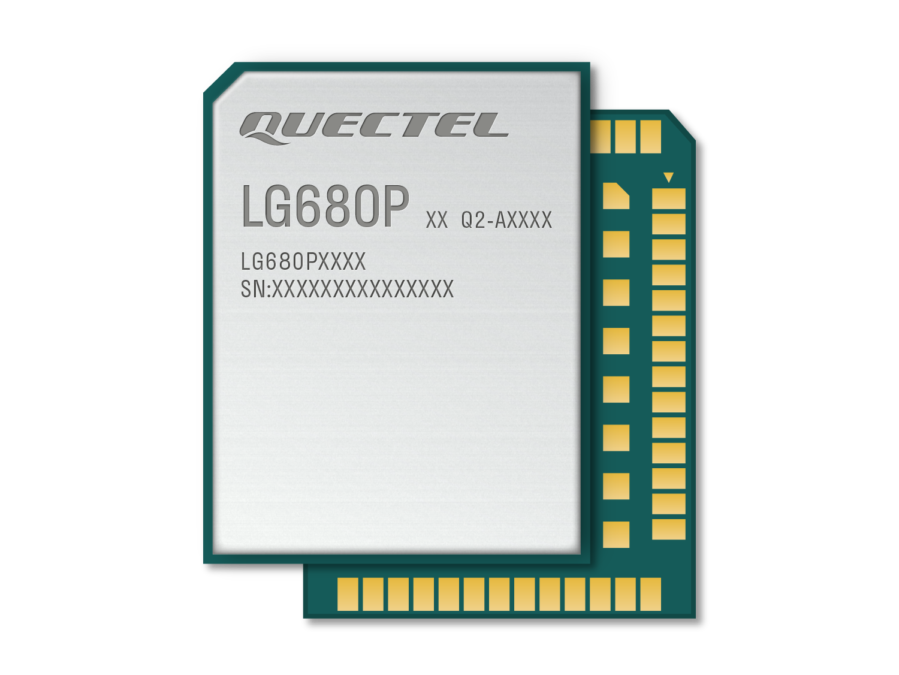
Ceramic chip antennas are used in a wide variety of modern devices. In smartphones and tablets, they enable wireless communication features such as Wi-Fi and Bluetooth. In wearable devices like smartwatches, their compact size makes them an ideal solution.
The Internet of Things (IoT) is another area where these antennas are widely used. Smart home devices, industrial sensors, and connected systems all rely on ceramic chip antennas for communication.
In the automotive industry, they are used for GPS navigation, remote entry systems, and communication networks within vehicles. They are also found in medical devices, where reliability and compact size are essential.
Design Considerations for Best Performance
To achieve optimal performance, several design factors must be considered when using ceramic chip antennas. Placement is one of the most important aspects. The antenna should ideally be positioned at the edge of the PCB to reduce interference and improve signal radiation.
The ground plane also plays a critical role. A well-designed ground plane helps enhance efficiency and stability. It is also important to keep the area around the antenna free from metal objects and other components that could interfere with its operation.
In some cases, a matching network may be required to ensure proper impedance. Testing and validation are essential to confirm that the antenna performs well in real-world conditions.
Future Trends and Developments
The future of ceramic chip antennas looks promising as technology continues to advance. With the growth of 5G networks and smart devices, there is a need for antennas that are both compact and high-performing.
Researchers are exploring new materials and designs to improve efficiency and expand frequency coverage. Future ceramic chip antennas may support multiple communication standards while maintaining their small size.
As devices become more integrated and connected, ceramic chip antennas will continue to play a vital role in enabling wireless communication.
Conclusion
Ceramic chip antennas are a powerful solution for modern wireless communication needs. Their compact size, durability, and ease of integration make them ideal for a wide range of applications. While they do have some limitations, proper design and careful implementation can help achieve excellent performance.
As technology continues to evolve, these antennas will remain an essential part of the electronics industry, supporting the growing demand for smaller, smarter, and more connected devices.
FAQs
Q: What is a ceramic chip antenna?
A: It is a small surface-mounted antenna made from ceramic material used for wireless communication.
Q: Where are ceramic chip antennas used?
A: They are used in smartphones, IoT devices, wearables, and GPS systems.
Q: Are ceramic chip antennas efficient?
A: They provide moderate efficiency and are best for compact devices.
Q: Do they need tuning?
A: Yes, in some cases tuning and proper PCB design are required.
Q: Why are they important?
A: They enable wireless communication in small, modern electronic devices.