
Introduction
PECO technology air filter systems are becoming increasingly popular in modern homes because people now care more about indoor air quality than ever before. Air inside homes, offices, and apartments can contain dust, smoke, bacteria, mold spores, allergens, and harmful gases that are often invisible to the human eye. Traditional air filters mainly trap these pollutants, but newer purification systems are trying to go beyond simple filtration. This is where PECO technology enters the conversation as a more advanced solution for indoor air cleaning.
The term PECO stands for Photo Electrochemical Oxidation, a technology designed to destroy pollutants at a microscopic level instead of only capturing them inside a filter. Many people compare it with HEPA filtration, but the working process is very different. While HEPA filters physically trap particles, PECO technology uses light and chemical reactions to break pollutants down into harmless compounds. Because of this unique process, PECO air purification systems have gained attention in both residential and commercial spaces.
What Is PECO Technology Air Filter?
A PECO technology air filter is an advanced air purification system that combines UV-A light with a specially coated catalyst filter to destroy pollutants in the air. Unlike traditional filters that hold contaminants inside the filter material, PECO technology attempts to eliminate them completely through oxidation.
The process works by creating reactive molecules called hydroxyl radicals. These molecules react with airborne pollutants and break them apart at the molecular level. This means the technology is designed to target not only dust and allergens but also bacteria, viruses, mold spores, volatile organic compounds (VOCs), and unpleasant odors. Because of this broader purification capability, PECO technology is often marketed as a next-generation air cleaning solution.
History Behind PECO Technology Air Filter
The idea behind the PECO technology air filter comes from scientific research related to oxidation chemistry and environmental purification methods. Scientists have long studied how hydroxyl radicals naturally break down pollutants in Earth’s atmosphere. Engineers later adapted this concept into indoor air purification systems.
The technology became widely recognized through air purifier products developed by Molekule. The company promoted PECO systems as a more advanced alternative to standard filtration methods. Over time, the technology attracted attention from consumers looking for better indoor air quality, especially in urban environments where pollution levels are often higher.
| Full Name | PECO Technology Air Filter |
|---|---|
| Technology Type | Advanced Air Purification System |
| Full Form | Photo Electrochemical Oxidation |
| Main Purpose | Destroy Indoor Air Pollutants |
| Developed For | Air Cleaning and Purification |
| Common Use | Homes, Offices, Indoor Spaces |
| Key Feature | Breaks Down Pollutants at Molecular Level |
| Works With | UV-A Light and Catalyst Filter |
| Removes | Dust, Smoke, VOCs, Bacteria, Mold |
| Popular Brand | Molekule |
| Compared With | HEPA Air Filters |
| Technology Benefit | Reduces Odors and Airborne Pollutants |
| Maintenance | Periodic Filter Replacement |
| Air Cleaning Method | Oxidation Process |
| Suitable For | Indoor Air Quality Improvement |
| Industry Type | Air Purification Technology |
How PECO Technology Air Filter Works
The working process of a PECO technology air filter involves several carefully designed stages that work together to clean indoor air. First, air enters the purifier through a pre-filter that captures larger particles such as dust, pet hair, and lint. This helps protect the internal system and improves overall efficiency.
After this initial filtration stage, the air moves toward the PECO filter surface. Here, UV-A light activates a catalyst coating placed on the filter material. This reaction creates hydroxyl radicals, which are highly reactive molecules capable of breaking down pollutants. As contaminated air passes through the system, these radicals attack harmful particles and gases at the molecular level. The pollutants are then converted into simpler and safer substances such as water vapor and carbon dioxide.
Why PECO Technology Air Filter Is Different
One major reason the PECO technology air filter stands out is because it focuses on destroying pollutants rather than storing them. Traditional HEPA filters are excellent at trapping particles, but the pollutants remain inside the filter until it is replaced. Over time, trapped contaminants can accumulate inside the system.
PECO technology works differently by using oxidation reactions to neutralize pollutants completely. This allows the purifier to target microscopic contaminants that may be difficult for regular filters to manage alone. Many users are especially interested in PECO systems because they can also help reduce odors and airborne chemicals in addition to dust and allergens.
Benefits Of PECO Technology Air Filter
The PECO technology air filter offers several advantages for people who want cleaner indoor air. One of its biggest benefits is its ability to target very small pollutants that traditional filters may not fully address. These include smoke particles, VOC gases, and biological contaminants.
Another important advantage is odor reduction. Many household smells come from chemical compounds released during cooking, cleaning, or smoking. PECO systems are designed to break down some of these compounds, helping indoor spaces smell fresher and cleaner.
The technology may also help improve comfort for people who are sensitive to allergens and airborne irritants. By reducing pollutants in the air, PECO purifiers can contribute to a more pleasant indoor environment. In homes where air quality is a concern, this type of filtration can offer additional peace of mind.
PECO Technology Air Filter And HEPA Comparison
When discussing air purification, many people compare the PECO technology air filter with HEPA filtration systems. HEPA filters are highly effective at trapping airborne particles like pollen, dust, and pet dander. They are widely used because of their reliability and strong filtration performance.
PECO systems, however, focus more on breaking pollutants down through chemical reactions. While HEPA filters store contaminants inside the filter material, PECO aims to destroy them entirely. This difference gives PECO an advantage in dealing with gases and odors, areas where standard HEPA systems may have limitations.
Many modern air purifiers now combine both technologies to create a more complete purification process. In these systems, HEPA filtration captures larger particles while PECO technology targets microscopic pollutants and chemical compounds.
Scientific Research About PECO Technology Air Filter
Research surrounding the PECO technology air filter is connected to broader scientific studies on advanced oxidation processes and indoor air purification. Environmental health studies have shown that oxidation-based systems can reduce certain airborne pollutants under controlled conditions.
Scientific literature indexed through medical and environmental research platforms has discussed how hydroxyl radicals can degrade harmful compounds in the air. However, experts also note that real-world performance depends on several factors, including airflow, room size, humidity, and pollutant concentration.
This means that while PECO technology shows promising results, actual performance can vary depending on how and where the purifier is used. Like all air purification technologies, effectiveness depends on proper design and realistic environmental conditions.
Limitations Of PECO Technology Air Filter
Although the PECO technology air filter offers many advantages, it also has limitations that users should understand before purchasing a system. One concern is cost, as PECO-based air purifiers are often more expensive than standard HEPA units.
Another limitation is purification speed. HEPA filters can remove visible dust and smoke particles quickly because they physically trap them immediately. PECO systems rely on oxidation reactions, which may require more time to fully break down pollutants.
Performance can also depend heavily on airflow inside the purifier. If air moves too quickly through the system, pollutants may not remain in contact with reactive molecules long enough for complete oxidation to occur. This is why product design and engineering quality are important factors.
Indoor Air Quality And PECO Technology Air Filter
Indoor air pollution has become a major global concern, especially in cities where ventilation is limited and outdoor pollution levels are high. The PECO technology air filter was developed as part of a growing effort to improve indoor environments and reduce exposure to harmful airborne contaminants.
Common indoor pollutants include dust, smoke, VOC gases, mold spores, and microscopic allergens. Long-term exposure to poor indoor air quality may contribute to respiratory discomfort and irritation. Air purification technologies like PECO are designed to help reduce these pollutants and create healthier living spaces.
Although air purifiers cannot completely replace natural ventilation and regular cleaning, they can become an important part of an overall indoor air quality strategy.
Maintenance Of PECO Technology Air Filter
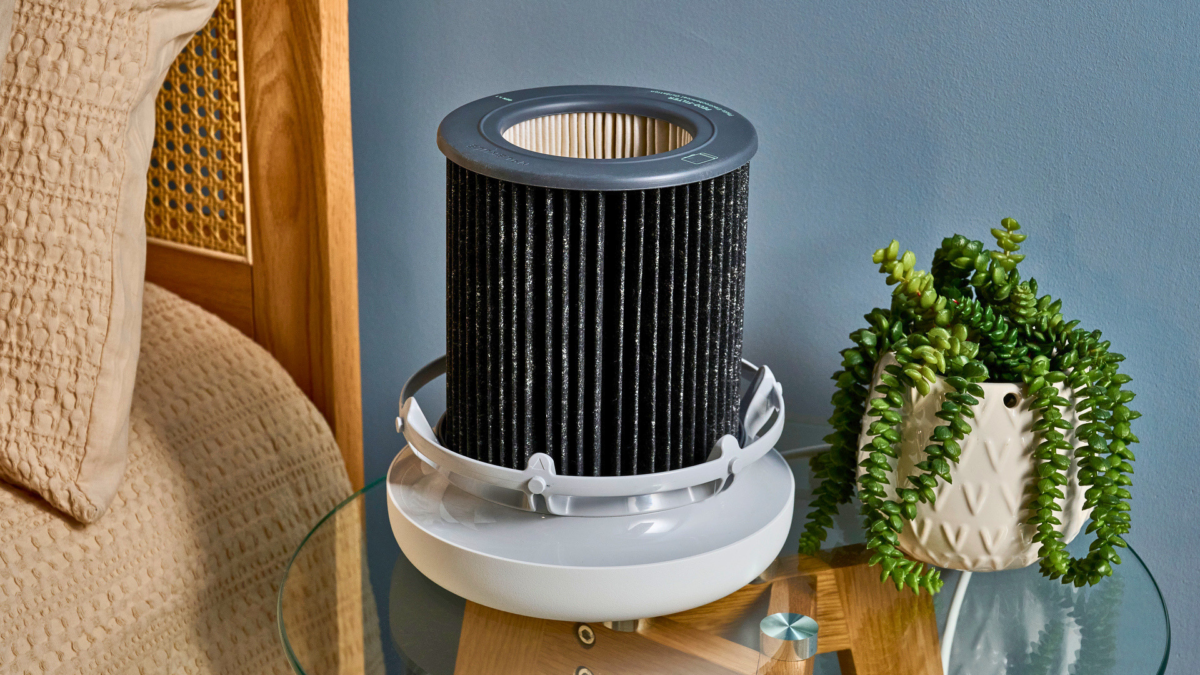
Proper maintenance is important for keeping a PECO technology air filter working efficiently over time. Most systems include replaceable filters that need periodic replacement depending on usage conditions and air quality levels.
Users are usually advised to clean external vents regularly and follow manufacturer guidelines for maintenance schedules. Replacing filters on time helps maintain airflow and ensures the purification process continues working effectively.
Because PECO systems often combine multiple filtration stages, maintenance requirements may differ slightly from standard HEPA-only purifiers.
Final Thoughts
The PECO technology air filter represents a modern and innovative approach to indoor air purification. Instead of only trapping pollutants, the technology aims to destroy them through advanced oxidation processes involving light and reactive molecules. This gives PECO systems the ability to target not just particles but also gases, odors, and biological contaminants.
While the technology continues to be studied and compared with traditional filtration methods, it has already become an important development in the air purification industry. For people looking to improve indoor air quality and reduce exposure to airborne pollutants, PECO technology offers a unique alternative that combines science, engineering, and modern environmental awareness into one advanced filtration system.