
Introduction
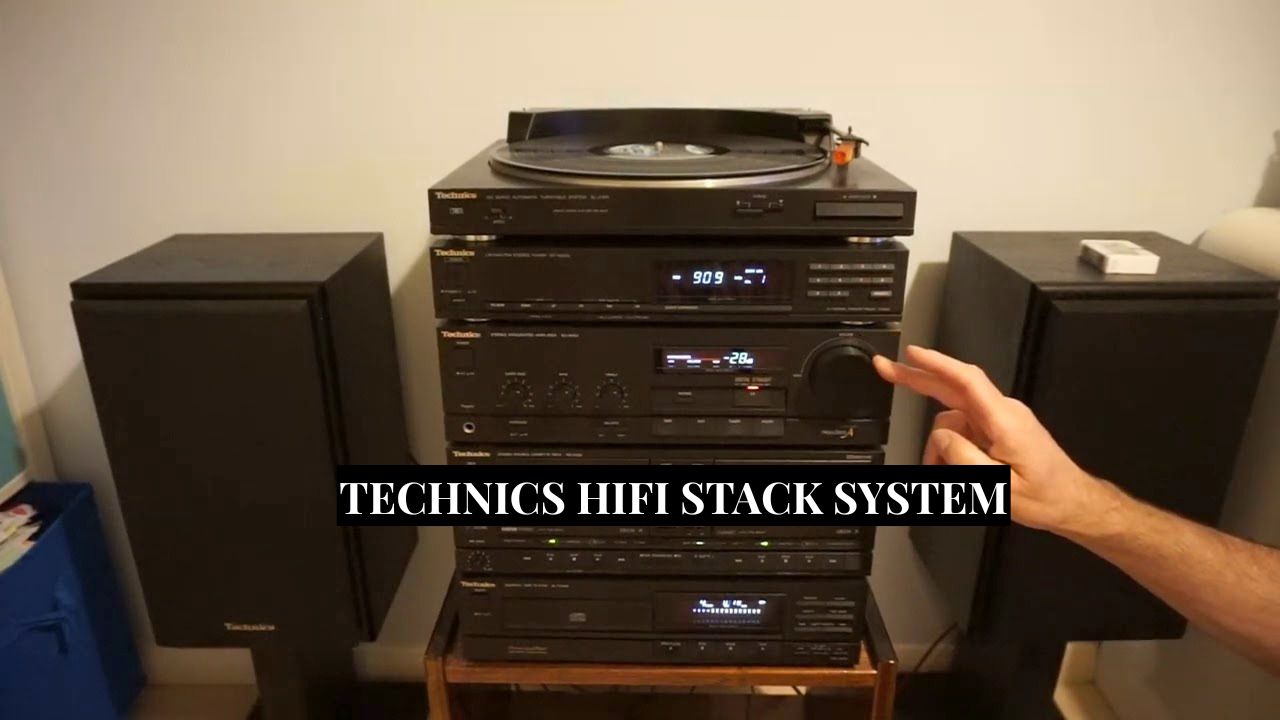
A Technics HiFi stack system is one of the most iconic home audio setups ever created. It comes from the engineering legacy of Technics, a Japanese company known for building high-quality sound equipment. Unlike modern single-unit speakers or soundbars, this system is built from multiple separate components that work together to produce rich, detailed music playback.
These systems became extremely popular from the late 1970s through the 1990s and are still respected today by audio lovers, collectors, and vintage technology enthusiasts. Even in the modern digital era, they continue to represent a more physical and engaging way of listening to music.
What a Technics Stack System Is
A Technics HiFi stack system is a modular stereo setup made of separate audio units arranged vertically in a stack. Each unit has its own function, and together they form a complete home entertainment system.
A typical stack includes an amplifier, tuner, CD player, cassette deck, and sometimes an equalizer or turntable. These components are designed with matching sizes so they can be neatly arranged on top of each other.
The idea is simple but powerful: instead of one device doing everything, each task is handled by a dedicated machine for better sound control and performance.
Why It Is Called a Stack System
The name “stack system” comes from the physical design. Each audio component is built in the same width and shape so they can be placed on top of each other like a tower.
This stacking design creates a clean, organized setup that often becomes a centerpiece in living rooms. During its peak popularity, a full Technics stack was seen as a modern and premium home entertainment system.
How the System Works
The working process of a Technics HiFi stack system follows a simple audio chain.
First, the music source is selected. This can be a CD, vinyl record, cassette tape, or radio signal. The audio signal then travels to the amplifier, which increases its power. In some setups, the signal passes through an equalizer for tone adjustments before reaching the amplifier.
Finally, the amplified signal is sent to external speakers, which produce the sound in the room. This step-by-step processing allows for clearer separation and better control over sound quality.
Technics HiFi Stack System Detailed Information bio Table
| Category | Details |
|---|---|
| Product Name | Technics HiFi Stack System |
| Brand | Technics |
| Type | Modular home audio system |
| Era of Popularity | Late 1970s – 1990s (vintage golden age of hi-fi) |
| System Concept | Separate audio components stacked vertically |
| Main Idea | Each unit performs one dedicated audio function |
| Design Style | Uniform width, silver/black metal finish, LED displays |
| Common Components | Amplifier, tuner, CD player, cassette deck, equalizer, turntable |
| Audio Output | External stereo speakers (not built-in) |
| Sound Quality | Warm, detailed, wide stereo separation |
| Bass Performance | Controlled and balanced, not overly boosted |
| Midrange Quality | Clear vocals and natural instrument tone |
| Treble Quality | Clean and smooth without harsh distortion |
| Build Quality | Heavy-duty metal panels, durable internal circuits |
| Durability | Long-lasting (many units still work after 20–40 years) |
| System Structure | Stackable units connected via RCA/audio cables |
| Upgrade Option | Yes, individual components can be replaced or upgraded |
| Repairability | High (serviceable parts like belts, lasers, capacitors) |
| Power Source | AC mains electricity |
| Control System | Manual buttons + optional remote control (later models) |
| Display Type | LED or fluorescent digital displays |
| Target Users (Original) | Home users, music lovers, audiophiles |
| Modern Usage | Vintage audio collectors, retro sound enthusiasts |
| Market Value Today | Varies by condition; often collectible in used markets |
| Common Issues (Old Units) | Cassette belt wear, CD laser aging, dust buildup |
| Maintenance Needs | Occasional cleaning and part replacement |
| Portability | Low (large and heavy compared to modern systems) |
| Setup Difficulty | Medium (requires wiring and speaker setup) |
| Sound Philosophy | High fidelity reproduction with minimal distortion |
| Cultural Importance | Icon of 80s–90s home entertainment systems |
| Modern Alternative | Bluetooth speakers, soundbars, all-in-one systems |
| Key Advantage | Superior stereo separation and upgrade flexibility |
| Main Limitation | Requires space and manual setup |
| Collector Value | High among vintage hi-fi enthusiasts |
Design and Build Quality
One of the strongest features of Technics stack systems is their solid construction. Every unit is designed with durability in mind, using strong materials and precise engineering.
Most components include metal front panels, sturdy buttons, and well-protected internal circuits. The design is consistent across all units, giving the full stack a uniform and professional appearance.
This attention to detail is one of the reasons many older systems are still working today, even after decades of use.
Sound Quality Experience
The sound produced by a Technics stack system is often described as warm, detailed, and balanced. The separation between instruments is clear, and the stereo imaging feels wide and natural.
Bass frequencies are usually controlled rather than overly boosted, while vocals and midrange tones sound rich and natural. High frequencies remain clear without becoming harsh.
This balanced sound signature is one of the main reasons audiophiles still appreciate these systems.
Modular Flexibility
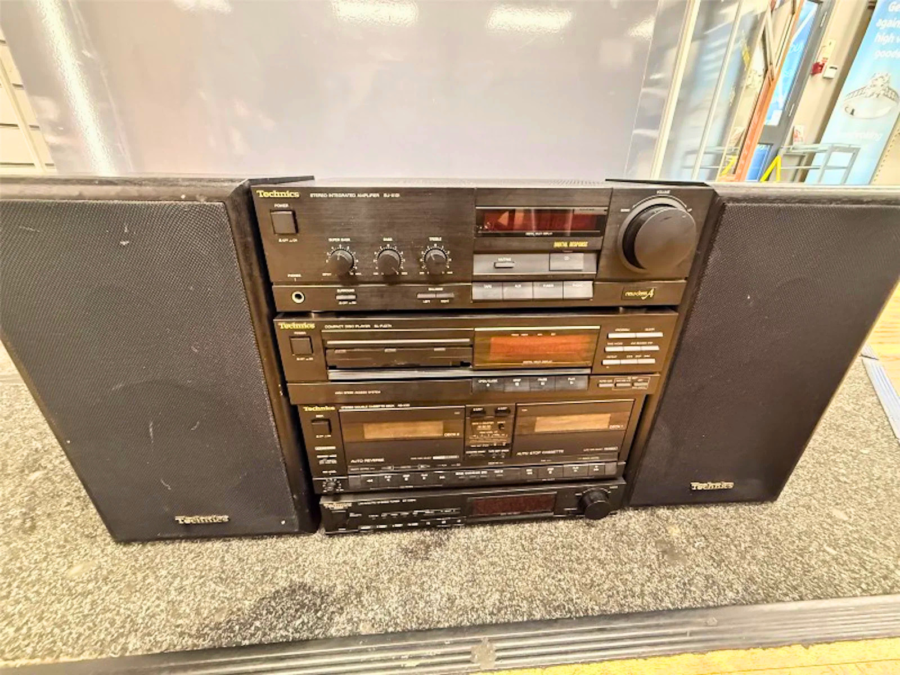
A major advantage of the Technics stack system is its modular design. Each component works independently, which means it can be replaced or upgraded without changing the entire system.
For example, if the CD player stops working, it can be replaced while keeping the amplifier and speakers intact. This flexibility makes the system more long-lasting compared to modern all-in-one devices.
It also allows users to customize their setup based on personal audio preferences.
Popular Era and Cultural Importance
During the 1980s and 1990s, owning a Technics stack system was considered a symbol of modern living. It represented both style and appreciation for high-quality music.
Families often placed these systems in living rooms, where they became the center of entertainment. Music listening was a shared experience involving CDs, cassettes, and vinyl records.
This era gave the Technics stack system a strong cultural identity that still influences audio enthusiasts today.
Maintenance and Longevity
Technics stack systems were designed to last, but older units may require occasional maintenance.
Cassette decks may need belt replacements, CD players may require lens cleaning, and amplifiers may need capacitor checks over time. Despite this, the systems are generally repair-friendly.
This repairability is a key reason why many Technics units are still functional decades later.
Technics Stack in the Modern Era
Today, Technics stack systems are mostly found in second-hand markets, collector circles, and vintage audio shops. They are valued both for their sound quality and their nostalgic appeal.
Modern audio systems focus on convenience and wireless connectivity, but Technics stacks continue to attract users who prefer hands-on control and detailed sound reproduction.
They represent a more traditional approach to listening to music that many people still enjoy.
Buying and Collecting Today
When buying a Technics stack system today, collectors usually look for complete sets with matching components. Condition is very important, especially for cassette decks and CD players.
Prices vary depending on model, condition, and rarity. Fully working systems are more valuable, especially those that include original speakers and remote controls.
Many buyers restore these systems to bring them back to full working conditional.
Comparison with Modern Audio Systems
Compared to modern wireless speakers, Technics stack systems are larger and require more setup. However, they often deliver better stereo separation and more detailed sound.
Modern systems are easier to use and more compact, but stack systems provide a deeper and more customizable listening experience.
This difference makes each type suitable for different kinds of users.
Why People Still Love It
Even today, Technics stack systems remain popular among enthusiasts for several reasons.
They offer a unique combination of durability, sound quality, and modular design. They also carry strong nostalgic value for people who grew up during the 80s and 90s.
For many, they are not just audio equipment but a reminder of a time when music listening was more intentional and physical.
Conclusion
The Technics HiFi stack system remains one of the most respected home audio designs ever created. Built under the engineering excellence of Technics, it represents a perfect balance of modular design, durability, and high-quality sound reproduction.
Even though modern technology has changed how we listen to music, the Technics stack system continues to hold a special place in audio history. Its structured design, warm sound, and long-lasting build quality ensure that it remains relevant for collectors and enthusiasts who value true stereo performance.
FAQs technics hifi stack system
Q: What is a Technics HiFi stack system?
A: It is a modular home audio setup made of separate units like amplifier, CD player, and tuner stacked together for high-quality sound.
Q: Why is it called a stack system?
A: Because all audio components are designed to be placed on top of each other in a vertical tower.
Q: Is Technics stack system still good today?
A: Yes, many models still deliver excellent sound quality and are popular among audio collectors.
Q: What makes Technics stack systems special?
A: They offer clear sound, strong build quality, and separate components for better audio control.
Q: Can Technics stack systems be repaired?
A: Yes, most parts are repairable or replaceable, which helps them last for decades.