

Introduction
The world of skilled trades continues to grow as industries demand trained professionals who can work in electrical systems, construction, and technical services. One of the most structured pathways into these careers in the United States is through apprenticeship programs managed by Joint Apprenticeship and Training Committees (JATC). Within this system, ProTech Skills JATC plays an important role as a modern learning platform that supports apprentices throughout their training journey.
Unlike traditional education systems, this approach combines real job experience with structured classroom learning. Apprentices earn wages while developing technical skills, making it one of the most practical career development models available today. The system is widely used by organizations linked with unions such as IBEW and NECA, which ensures consistency, safety, and high training standards.
Understanding the Program
The concept of ProTech Skills JATC is closely connected to apprenticeship education systems that aim to produce highly skilled workers. It is not a standalone institution but rather a digital learning and management system used by many JATC programs.
In simple terms, ProTech Skills JATC is a structured online platform that helps apprentices complete coursework, assignments, and evaluations while they work on real job sites. It supports instructors in tracking progress and ensures that every apprentice meets national training standards.
The system is especially common in electrical apprenticeship programs, where apprentices must learn both theory and hands-on technical skills. Through this model, learners gain a balance of academic knowledge and field experience.
How It Works in Training
The training system associated with ProTech Skills JATC is divided into two main components: on-the-job training and classroom instruction. Apprentices spend most of their time working under licensed professionals, where they learn practical skills such as wiring, installation, troubleshooting, and safety procedures.
At the same time, they attend classroom sessions where they study electrical theory, codes, and regulations. The online platform helps connect these two learning environments by providing digital lessons, quizzes, and assignments.
Apprentices log into the system regularly to complete coursework and track their progress. Instructors review performance and ensure that each trainee meets required milestones before moving to the next level.
Entry Requirements and Eligibility
To join a program that uses ProTech Skills JATC, applicants typically need to meet basic eligibility criteria. These requirements may vary slightly depending on the region, but most programs follow similar standards.
Applicants are usually required to be at least 18 years old and have a high school diploma or equivalent qualification. A strong understanding of mathematics, especially algebra, is often recommended because electrical work involves measurements and calculations.
In some cases, candidates may need to pass an aptitude test and attend an interview before being accepted into the program. Physical fitness is also important because the job often involves working in construction environments and handling equipment.
Career Growth Opportunities
One of the biggest advantages of training through ProTech Skills JATC is the long-term career growth it offers. Apprentices start as entry-level trainees but gradually move up to become skilled journeymen after completing the program.
Once fully certified, individuals can work independently in their trade, take on supervisory roles, or even start their own contracting businesses. Many graduates also continue their careers in specialized fields such as industrial electrical systems, renewable energy, or automation technology.
This structured progression ensures that workers not only gain technical skills but also build stable and high-paying careers over time.
Benefits of the System
The apprenticeship model supported by ProTech Skills JATC offers several benefits compared to traditional education paths. One of the most important advantages is that apprentices earn money while they learn. This removes the financial burden of tuition fees that is common in colleges and universities.
Another major benefit is real-world experience. Instead of studying only in classrooms, apprentices work on actual job sites, which helps them develop practical skills that employers value highly.
The system also ensures standardized training. Since JATC programs are jointly managed by unions and contractors, the quality of education remains consistent across different regions. This increases job security and professional credibility for graduates.
Role of Technology in Training
Modern apprenticeship programs have evolved significantly with the introduction of digital tools. ProTech Skills JATC represents this shift toward technology-driven learning.
The platform allows apprentices to access lessons anytime, submit assignments online, and receive feedback quickly. It also helps instructors monitor performance more efficiently and identify areas where students need improvement.
This digital approach makes training more flexible and accessible, especially for apprentices who may have demanding work schedules.
Work Environment and Expectations
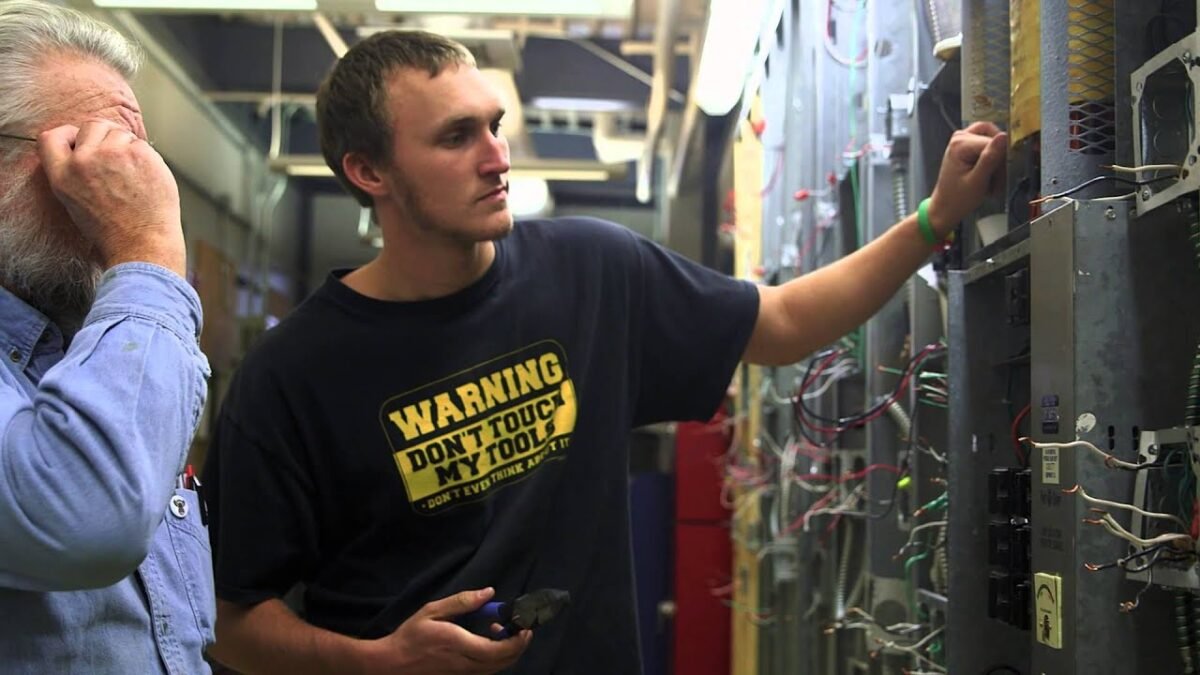
Apprentices working under programs associated with ProTech Skills JATC are expected to maintain professionalism, discipline, and safety awareness at all times. Since much of the training takes place on construction sites or industrial environments, safety is a top priority.
Apprentices learn how to use protective equipment, follow electrical codes, and handle tools properly. They also develop teamwork and communication skills, which are essential in large-scale projects.
The work environment is physically demanding but highly rewarding for those who are committed to learning a skilled trade.
Personal Profile of Apprentices
Although apprenticeship programs are not focused on public figures, many people are interested in the lifestyle and personal aspects of trainees and journeymen who complete programs like ProTech Skills JATC.
Typically, apprentices range from 18 to 35 years old, with diverse backgrounds and experiences. Height, appearance, and personal lifestyle vary widely since the program is open to anyone who meets the requirements.
Most apprentices come from working-class families and are motivated by the opportunity to build stable careers. While there is no “net worth” associated with apprentices during training, journeymen who complete the program can earn competitive salaries, often ranging from moderate to high income levels depending on location and specialization.
Social media presence is usually personal rather than professional, though many skilled workers share their experiences on platforms like Instagram, LinkedIn, or YouTube to showcase their trade work and connect with others in the industry.
Industry Recognition
Programs that use ProTech Skills JATC are widely respected in the construction and electrical industries. Employers recognize the quality of training because it is backed by union standards and structured curriculum requirements.
Graduates are often preferred by contractors because they have both theoretical knowledge and practical experience. This combination makes them job-ready from day one after certification.
The certification earned through these programs is considered a strong credential in the skilled trades sector.
Future of Apprenticeship Training
The future of apprenticeship systems like ProTech Skills JATC looks promising as demand for skilled workers continues to rise. Industries such as renewable energy, electric vehicles, and smart infrastructure are creating new opportunities for trained technicians.
Digital learning platforms will likely play an even bigger role in the future, making training more efficient and accessible. As technology evolves, apprenticeships will continue to adapt, ensuring that workers stay updated with modern industry standards.
Conclusion
The system known as ProTech Skills JATC represents a modern and practical approach to career training in the skilled trades industry. It combines real-world experience with structured online learning, helping apprentices develop both technical knowledge and hands-on expertise.
By offering paid training, strong industry recognition, and long-term career opportunities, this system has become an important pathway for individuals seeking stable and rewarding careers.
As industries continue to grow, programs like this will remain essential in shaping the next generation of skilled professionals who keep infrastructure, energy systems, and technology running smoothly.