
Introduction
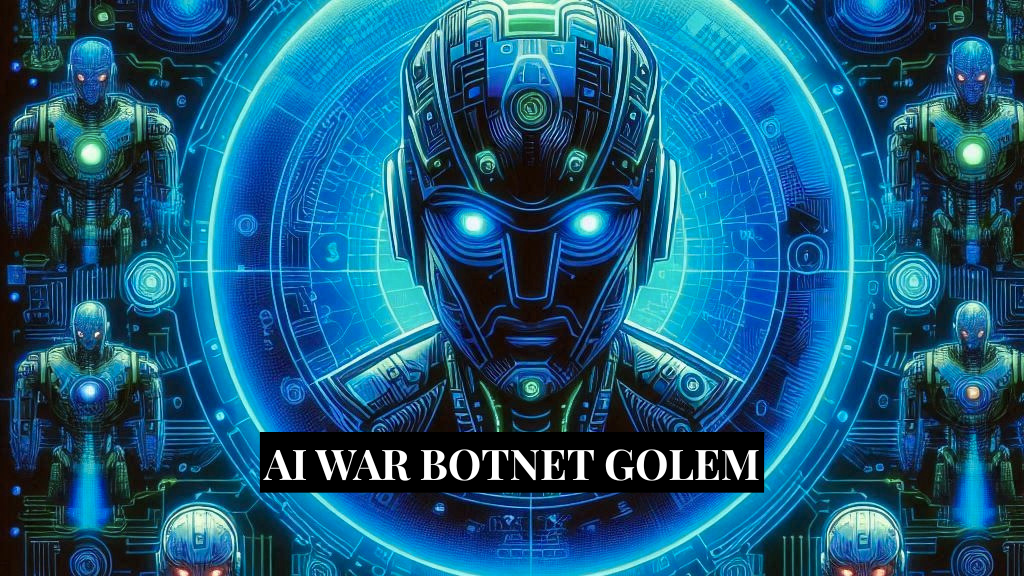
The term AI War Botnet Golem is not an officially recognized technology or cybersecurity system, but it has become an interesting phrase in online discussions. The idea of AI War Botnet Golem combines artificial intelligence, cyber warfare concepts, botnets, and mythological symbolism into one fictional-like expression. Because of this mix, many people misunderstand what it actually represents in real-world technology.
In simple terms, AI War Botnet Golem sounds like a self-operating digital army powered by AI, but in reality, no such system exists. Instead, it is a conceptual or fictional expression often used in speculative conversations about future cyber threats and advanced automation.
Breaking Down the Concept
To understand AI War Botnet Golem, it is important to break the phrase into parts. Artificial intelligence refers to systems designed to mimic human thinking and decision-making. Botnets are networks of infected devices controlled by attackers. The word “war” is used metaphorically to describe cyber conflicts. The term “golem” comes from folklore, representing a created being that follows commands.
When combined, AI War Botnet Golem creates the illusion of a powerful digital entity that can think, learn, and attack independently. However, this is not a real system, but rather a symbolic mix of different ideas that exist separately in technology and culture.
Understanding Botnets in Real Life
A botnet is a real cybersecurity threat and plays a major role in cybercrime activities. It is created when hackers infect multiple devices such as computers, smartphones, or smart devices and connect them into a network. These devices are then controlled remotely without the owner’s knowledge.
In the context of AI War Botnet Golem, the idea of a botnet is often exaggerated. Real botnets are not intelligent systems; they simply follow commands given by human operators. They are commonly used for DDoS attacks, spam distribution, data theft, and other malicious activities. Even though they are dangerous, they do not possess any form of independent intelligence.
| Topic | Details |
|---|---|
| Name | AI War Botnet Golem |
| Type | Fictional / Conceptual Term |
| Field | Cybersecurity / AI (Speculative) |
| Reality Status | Not a real system |
| Meaning | Mix of AI, botnet, and mythological “golem” |
| Use | Internet discussions, cyber fiction ideas |
| Risk Level | Conceptual, not an actual threat |
| Key Idea | Imagined AI-controlled cyber network |
Role of Artificial Intelligence in Cybersecurity
Artificial intelligence is widely used in cybersecurity, but its role is often misunderstood. In reality, AI helps detect threats, analyze network activity, and improve defense systems. Security companies use AI to identify malware patterns and prevent cyberattacks more efficiently than traditional systems.
In discussions about AI War Botnet Golem, AI is often imagined as an autonomous attacker controlling digital armies. However, in real-world systems, AI does not operate independently in this way. It only assists human operators and security systems rather than replacing them.
Even when cybercriminals use AI tools, they still rely on human planning and execution.
Myth of the Digital Golem
The concept of the golem comes from ancient mythology, where a creature is formed from clay and brought to life by a creator. It is powerful but does not have independent will or consciousness. This metaphor fits well with modern discussions about automation and AI systems.
In the idea of AI War Botnet Golem, the “golem” represents a machine-like force that appears alive but is actually controlled externally. This symbolism helps explain why the phrase feels dramatic and futuristic, even though it does not describe any real technology.
Origin of the Idea
The phrase AI War Botnet Golem does not come from any official research paper or cybersecurity framework. Instead, it likely originates from online discussions, science fiction storytelling, and speculative tech communities. These environments often mix real technical terms with imaginative concepts to describe possible future technologies.
Because of this blending of fiction and reality, AI War Botnet Golem is often misunderstood as something real, even though it is not a documented system or software.
Fiction vs Reality in Cyber Warfare
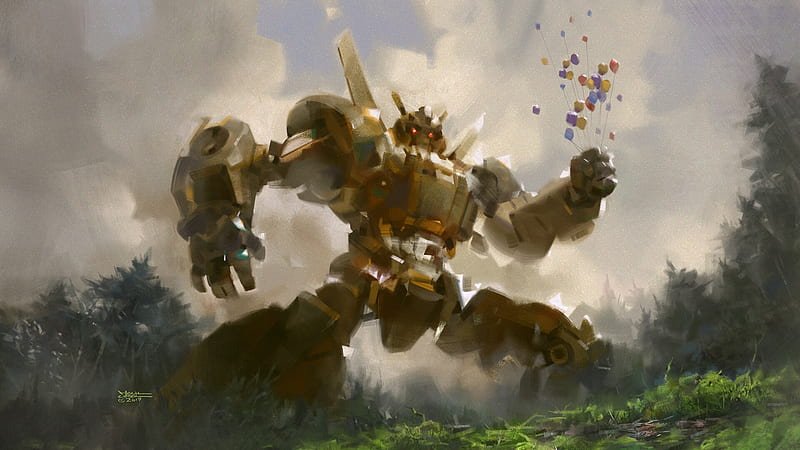
In fictional storytelling, AI War Botnet Golem is often imagined as a self-evolving digital army capable of spreading across networks and launching cyberattacks without human control. This idea is popular in cyberpunk narratives and futuristic games.
In reality, cyberattacks are still controlled by humans. Botnets require setup, maintenance, and direction from attackers. AI tools may assist in certain tasks, but they do not independently coordinate global cyber operations or act as autonomous war systems.
This clear difference between fiction and reality is important for understanding modern cybersecurity threats accurately.
Why the Concept Feels Real
One reason AI War Botnet Golem feels believable is because modern technology already includes advanced automation systems. AI models can process large datasets, predict outcomes, and detect patterns faster than humans. At the same time, botnets already exist and can control thousands of devices.
When these real technologies are combined in imagination, they create the illusion of an intelligent cyber entity. However, despite their sophistication, these systems still lack independent consciousness or self-driven intent.
Real Cybersecurity Concerns
Even though AI War Botnet Golem is not real, it reflects actual cybersecurity risks that exist today. Weak IoT devices, unsecured networks, and outdated software are frequently exploited by attackers to build botnets.
There are also increasing concerns about AI-assisted phishing attacks, automated vulnerability scanning, and malware distribution tools. While these threats are serious, they are still operated and controlled by humans rather than autonomous AI systems.
Understanding these real risks is more important than focusing on fictional cyber entities.
Protection Against Cyber Threats
Protecting systems from botnet infections requires strong cybersecurity practices. Users should regularly update their devices, use strong passwords, and avoid suspicious links or downloads. Firewalls and network monitoring tools also help detect unusual activity.
For organizations, segmenting networks and securing IoT devices can reduce the risk of large-scale infections. Awareness is also important because many attacks begin with simple user mistakes rather than advanced AI-driven systems.
Final Thoughts
The idea of AI War Botnet Golem is best understood as a symbolic and fictional concept rather than a real technology. It combines elements of artificial intelligence, botnets, and mythology into a single imaginative phrase that reflects modern fears about automation and cyber warfare.
Although AI War Botnet Golem does not exist in reality, it highlights important discussions about cybersecurity, digital risks, and the future of AI. It also shows how easily technology and imagination can merge in online culture, creating powerful but misleading ideas.
In the real world, cyber threats are still human-driven, and AI remains a tool rather than an independent digital force.
FAQs
Q: What is AI War Botnet Golem?
A: It is not a real system; it is a fictional or internet-based term mixing AI, botnets, and mythology.
Q: Is AI War Botnet Golem an actual cyber weapon?
A: No, there is no verified technology or malware with this name in cybersecurity.
Q: What is a botnet in simple terms?
A: A botnet is a group of hacked devices controlled remotely by a hacker for malicious activities.
Q: Does AI control real botnets today?
A: AI can assist cyberattacks, but botnets are still controlled by humans, not autonomous AI.
Q: Why do people talk about AI War Botnet Golem?
A: It comes from online fiction, cyberpunk ideas, and speculation about future AI-driven cyber threats.