Introduction
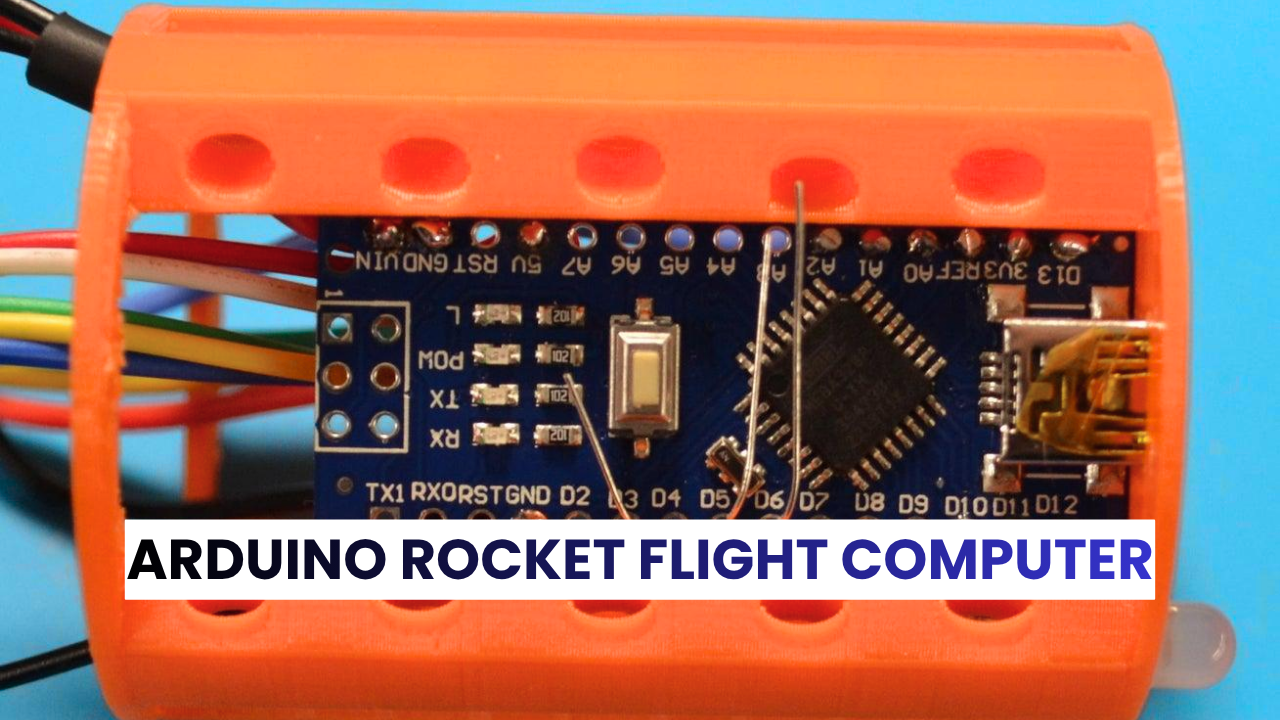
In recent years, hobby rocketry has evolved far beyond simple engines and parachutes. Today, enthusiasts are building intelligent systems that can track, measure, and even make decisions during flight. At the center of this innovation is the arduino rocket flight computer, a compact embedded system designed to bring real aerospace-style intelligence into model rockets.
Unlike traditional rockets that rely only on mechanical timers or basic recovery systems, modern designs use sensors, microcontrollers, and programming logic to analyze flight conditions in real time. This makes the experience safer, more accurate, and far more educational for students and hobbyists interested in space science and engineering.
An arduino rocket flight computer is not just a gadget; it represents a shift toward smarter experimentation in STEM fields, where data and automation play a major role in understanding flight behavior.
Understanding the Concept
The idea behind an arduino rocket flight computer is simple but powerful. It is a microcontroller-based system built using an Arduino board that acts as the brain of a rocket. It continuously collects data from sensors, processes it using programmed logic, and responds to flight conditions.
In practical terms, this system can measure altitude, detect acceleration, monitor orientation, and determine the exact moment when a rocket reaches its peak height. This information can then be used to trigger recovery systems such as parachutes or record flight logs for later analysis.
The flexibility of Arduino hardware allows hobbyists to customize the system according to their rocket size, mission goals, and budget.
Background and Evolutio
Model rocketry has been popular for decades, but early systems were mostly mechanical or analog. Recovery systems were often based on simple timers or pressure-based triggers, which were not always accurate.
The introduction of microcontrollers like Arduino changed everything. With open-source hardware and accessible programming tools, enthusiasts could now design an arduino rocket flight computer that behaves similarly to professional aerospace systems.
Over time, community projects have improved sensor accuracy, reduced weight, and added wireless communication capabilities. Today, even beginner-level setups can achieve surprisingly advanced flight tracking.
How the System Works
The working principle of an arduino rocket flight computer is based on continuous data monitoring and decision-making.
During launch, sensors begin collecting real-time information about movement and atmospheric pressure. The Arduino board processes this incoming data and uses programmed conditions to understand what stage of flight the rocket is in.
For example, when acceleration suddenly spikes, the system detects liftoff. As the rocket climbs, the altitude increases until it reaches a maximum point known as apogee. At this stage, the system can trigger recovery mechanisms such as deploying a parachute. After that, it continues recording descent data until landing.
Each step is based on logical conditions coded into the system, making the entire process automated and highly precise.
The arduino rocket flight computer ensures that decisions are made instantly without human intervention, which is critical during fast-changing flight conditions.
Bio Table
| Field | Details |
|---|---|
| Topic | Arduino Rocket Flight Computer |
| Focus Keyword | arduino rocket flight computer |
| Article Type | Technical Blog / STEM Guide |
| Language | English |
| Target Audience | Students, Hobby Rocket Builders, STEM Learners, Electronics Enthusiasts |
| Purpose | Education + DIY Engineering Guide |
| Difficulty Level | Beginner to Intermediate |
| Technology Used | Arduino, Sensors, Embedded Systems |
| Main Application | Model Rocketry Flight Tracking & Control |
Core Components Used
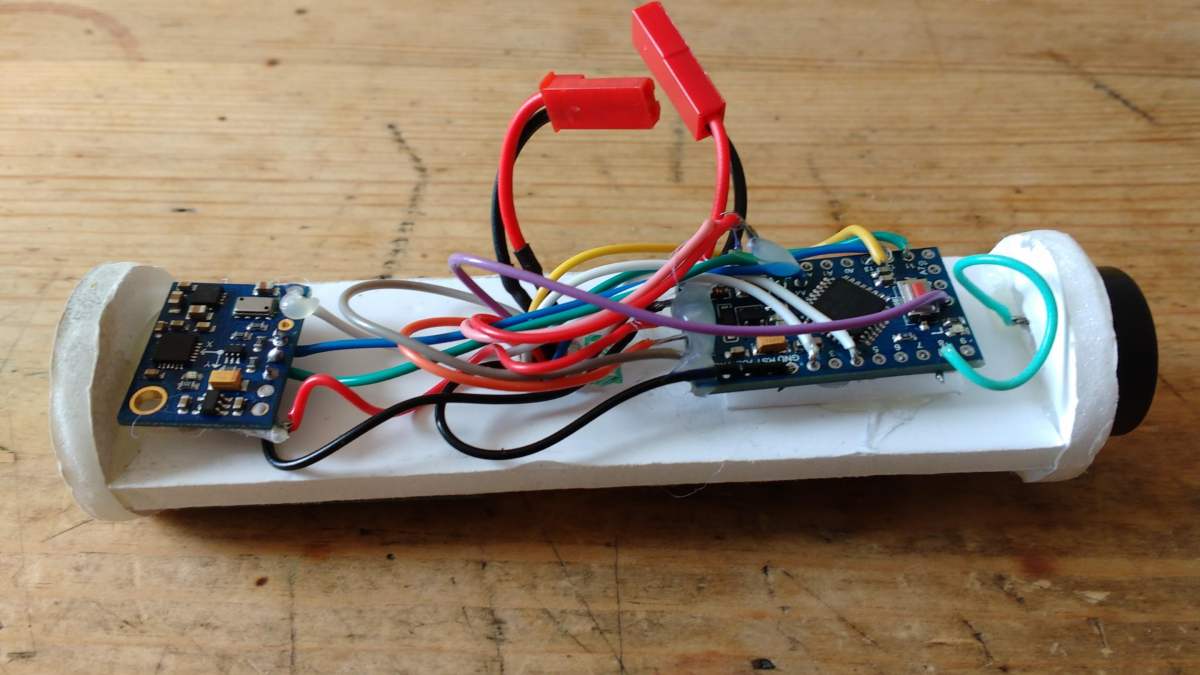
A typical build relies on a combination of sensors and electronic modules. The most important component is the Arduino microcontroller board, which serves as the processing unit.
Alongside it, barometric pressure sensors are used to calculate altitude changes, while accelerometers and gyroscopes track movement and orientation. A microSD card module is often included for storing flight data.
Power is usually supplied through lightweight lithium batteries to maintain efficiency without adding unnecessary weight.
Some advanced versions of an arduino rocket flight computer also include GPS modules for tracking location and wireless transmitters for sending live telemetry to a ground station.
Software and Programming Logic
The software side is what gives intelligence to the system. The Arduino is programmed using a simplified version of C++, where developers define how the system should respond to different flight conditions.
In an arduino rocket flight computer, the code typically includes routines for sensor calibration, launch detection, altitude calculation, and parachute deployment logic.
One of the most important aspects is filtering sensor noise. Since rockets experience vibration and sudden forces, raw data can be unstable. The software must process this data carefully to ensure accurate readings.
Well-written firmware can make the difference between a successful flight and a failed recovery.
Physical Design and Technical Characteristics
Unlike human profiles that include age, height, or family background, a flight computer is evaluated using technical and physical specifications.
In the case of an arduino rocket flight computer, important physical characteristics include its weight, size, power consumption, and durability under high acceleration.
Most systems are extremely compact, often weighing only a few grams to a few dozen grams depending on components. The design must also withstand strong vibrations during launch and extreme temperature variations during flight.
Instead of social or personal attributes like net worth or appearance, the value of this system is measured in performance efficiency, reliability, and data accuracy.
Applications in Real Projects
The arduino rocket flight computer is widely used in educational experiments, student competitions, and hobby rocketry projects.
Many universities and STEM programs use it to teach students about aerospace engineering, physics, and embedded systems design. It is also used in high-altitude balloon experiments where similar flight tracking principles apply.
Advanced hobbyists use it to test aerodynamic designs, improve parachute systems, and analyze flight stability. In some cases, it is even used as a prototype platform for small unmanned aerial systems.
Challenges in Development
Building an arduino rocket flight computer is not without difficulties. One major challenge is ensuring sensor accuracy under extreme acceleration. Rockets experience sudden forces that can disrupt readings if the system is not properly calibrated.
Another challenge is power management. Since the system must be lightweight, developers must balance battery capacity with weight limitations.
Data loss is also a concern. If storage or transmission fails during flight, valuable information may be lost.
Despite these challenges, continuous improvements in hardware and coding techniques have made modern systems more reliable than ever.
Cost and Accessibility
One of the biggest advantages of this technology is affordability. Compared to professional aerospace systems, an arduino rocket flight computer is extremely cost-effective.
Most components are widely available and inexpensive, making it accessible to students and independent builders. This low cost has contributed significantly to its popularity in the DIY engineering community.
Future Improvements
The future of the arduino rocket flight computer is closely tied to advancements in miniaturization and artificial intelligence.
Future systems may include smarter flight prediction models, real-time cloud data syncing, and improved sensor fusion techniques. Integration with machine learning could allow rockets to adapt behavior based on flight conditions.
As technology becomes more advanced, even small hobby rockets may achieve near-professional levels of data analysis and control.
Conclusion
The arduino rocket flight computer represents a powerful blend of electronics, programming, and aerospace engineering. It transforms simple model rockets into intelligent systems capable of tracking, analyzing, and responding to flight conditions in real time.
From education to experimentation, it continues to open new possibilities for learners and makers around the world. With ongoing innovation, it is likely to become even more advanced, making space science more accessible than ever before.
FAQs
Q: What is an Arduino rocket flight computer used for?
A: It is used to track rocket flight data, measure altitude, and control recovery systems like parachutes.
Q: Is it difficult to build an Arduino rocket flight computer?
A: It is moderately challenging but achievable with basic electronics and programming knowledge.
Q: Can beginners use this system?
A: Yes, beginners can start with simple setups and gradually move to advanced designs.
Q: What sensors are commonly used?
A: Barometric sensors, accelerometers, and gyroscopes are commonly used for flight tracking.
Q: Is it safe to use in rockets?
A: Yes, when properly built and tested, it is safe for model rocketry applications.