

Introduction
The term az technologies mli is increasingly appearing across online discussions related to modern software systems, artificial intelligence, and digital transformation services. However, unlike established global corporations with clearly documented histories, az technologies mli does not have a widely verified public profile in academic databases or major corporate registries. This makes it necessary to interpret the term based on contextual usage, technological patterns, and industry naming conventions.
In most cases, az technologies mli is understood as a reference to a technology-oriented concept or organization associated with Machine Learning Integration (MLI), artificial intelligence solutions, and software development services. Because of its ambiguous digital footprint, it is best analyzed as a technology identity rather than a single confirmed corporate entity.
Understanding the Concept
To understand az technologies mli, it is important to break down the structure of the term. “AZ Technologies” is commonly used by multiple small and medium technology firms globally, while “MLI” is frequently interpreted as Machine Learning Integration or Machine Learning Intelligence.
In this context, az technologies mli can be viewed as a label representing advanced digital systems designed to integrate machine learning models into business operations. These systems may include automation tools, predictive analytics platforms, and AI-based decision-making engines.
Rather than referring to a single company with verified leadership or corporate filings, az technologies mli is better understood as a conceptual identity used within the broader IT and AI ecosystem.
Evolution of Machine Learning Systems
Modern enterprises increasingly rely on intelligent systems to manage data, automate processes, and improve decision-making. Within this evolution, az technologies mli is often associated with solutions that focus on integrating machine learning into real-world applications.
Machine learning systems typically evolve through several stages: data collection, model training, algorithm optimization, and deployment. When applied in business environments, these systems can analyze customer behavior, detect fraud patterns, and optimize operational workflows.
In this framework, az technologies mli represents the intersection of artificial intelligence engineering and practical business implementation.
| Field | Details |
|---|---|
| Name | AZ Technologies MLI |
| Type | Technology Concept / AI & Machine Learning Integration Framework |
| Industry | Artificial Intelligence, Software Development, IT Services |
| Core Focus | Machine Learning Integration (MLI), AI Systems, Data Analytics, Cloud Solutions |
| Key Use Cases | Automation, Predictive Analytics, Cybersecurity, Business Intelligence |
| Status | Emerging / Unverified Conceptual Term |
| Related Fields | AI, ML, Big Data, Cloud Computing, Digital Transformation |
| Global Presence | Not officially verified as a single global company |
| Official Website | Not confirmed |
Core Technological Focus
Although there is limited official documentation, discussions around az technologies mli generally highlight several core areas of technological focus.
One of the primary areas is artificial intelligence development. AI models used in such systems are trained to simulate human-like decision-making, enabling automation in industries like finance, healthcare, and logistics.
Another important focus is data analytics. Systems associated with az technologies mli often rely on structured and unstructured data processing to generate insights that support strategic decisions.
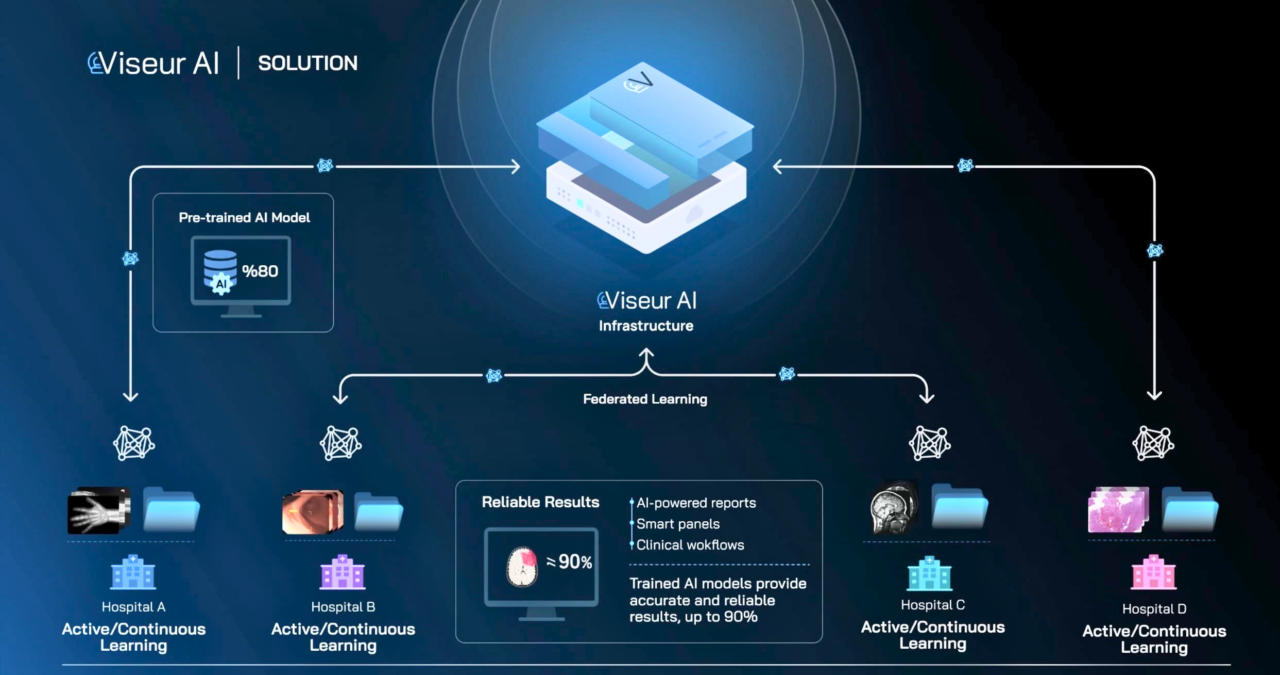
Cloud integration is also commonly linked with this concept. Cloud computing allows scalable deployment of machine learning models, making systems more flexible and accessible across global networks.
Cybersecurity plays a significant role as well, especially when handling sensitive business data. Advanced encryption and threat detection systems are often integrated into platforms associated with az technologies mli.
Applications in Real-World Industries
The practical applications of az technologies mli span across multiple sectors. In healthcare, machine learning models can assist in early diagnosis and patient data analysis. In finance, they are used for fraud detection, risk assessment, and algorithmic trading.
Retail businesses benefit from personalized recommendation systems that analyze consumer behavior and purchasing patterns. Manufacturing industries use predictive maintenance systems to reduce downtime and improve efficiency.
Within each of these sectors, az technologies mli is often referenced as part of a broader movement toward intelligent automation and data-driven decision-making.
Benefits of Adoption
One of the key advantages associated with az technologies mli is operational efficiency. By automating repetitive tasks, businesses can significantly reduce manual workload and improve productivity.
Another important benefit is enhanced decision-making. Machine learning systems can analyze large datasets faster than human analysts, providing actionable insights in real time.
Scalability is also a major advantage. Cloud-based AI systems allow organizations to expand their operations without requiring extensive physical infrastructure.
Additionally, az technologies mli is often associated with improved security protocols, which help protect organizations from cyber threats and unauthorized access.
Organizational Interpretation
Unlike traditional corporations with publicly available records such as founding year, leadership structure, or financial disclosures, az technologies mli does not have verified biographical data.
Therefore, attributes such as age, height, family background, net worth, or personal lifestyle cannot be assigned, as these are typically associated with individuals rather than conceptual or technical entities.
If az technologies mli refers to a private or emerging technology initiative, such information has not been publicly disclosed in reliable sources.
Market Position and Digital Presence
The digital presence of az technologies mli appears limited or fragmented, suggesting that it may represent either a developing brand, a localized technology service provider, or a conceptual label used in online discussions.
In many cases, emerging technology terms like this circulate without centralized documentation, especially in fields such as AI development, where startups and experimental platforms frequently adopt similar naming conventions.
Because of this, az technologies mli should be understood more as an evolving digital identity rather than a fully established global enterprise.
Challenges and Limitations
One of the main challenges associated with interpreting az technologies mli is the lack of verified information. Without official documentation or recognized publications, it becomes difficult to define its exact structure or ownership.
Another limitation is ambiguity. The term may be used by different groups to describe different systems, leading to confusion in interpretation.
Additionally, the absence of standardized references means that az technologies mli cannot be analyzed with the same precision as established technology corporations.
Future Outlook
Despite the uncertainty surrounding its definition, az technologies mli represents a broader trend in the technology industry: the integration of machine learning into everyday business systems.
As artificial intelligence continues to evolve, similar terms will likely emerge to describe hybrid systems that combine software engineering, cloud computing, and intelligent automation.
If structured as a real organization or framework, az technologies mli could potentially evolve into a significant player in AI-driven digital transformation.
Conclusion
In summary, az technologies mli is best understood as a conceptual or emerging term associated with machine learning integration and advanced technology systems. While it lacks confirmed corporate identity or publicly verified details, it reflects important trends in artificial intelligence, automation, and data-driven innovation.
Its relevance lies not in a single defined entity but in the technological ideas it represents—intelligent systems, scalable cloud platforms, and machine learning-driven decision-making frameworks.
As industries continue to adopt AI technologies, terms like az technologies mli will likely become more common in discussions about the future of digital transformation and intelligent systems.