
Introduction
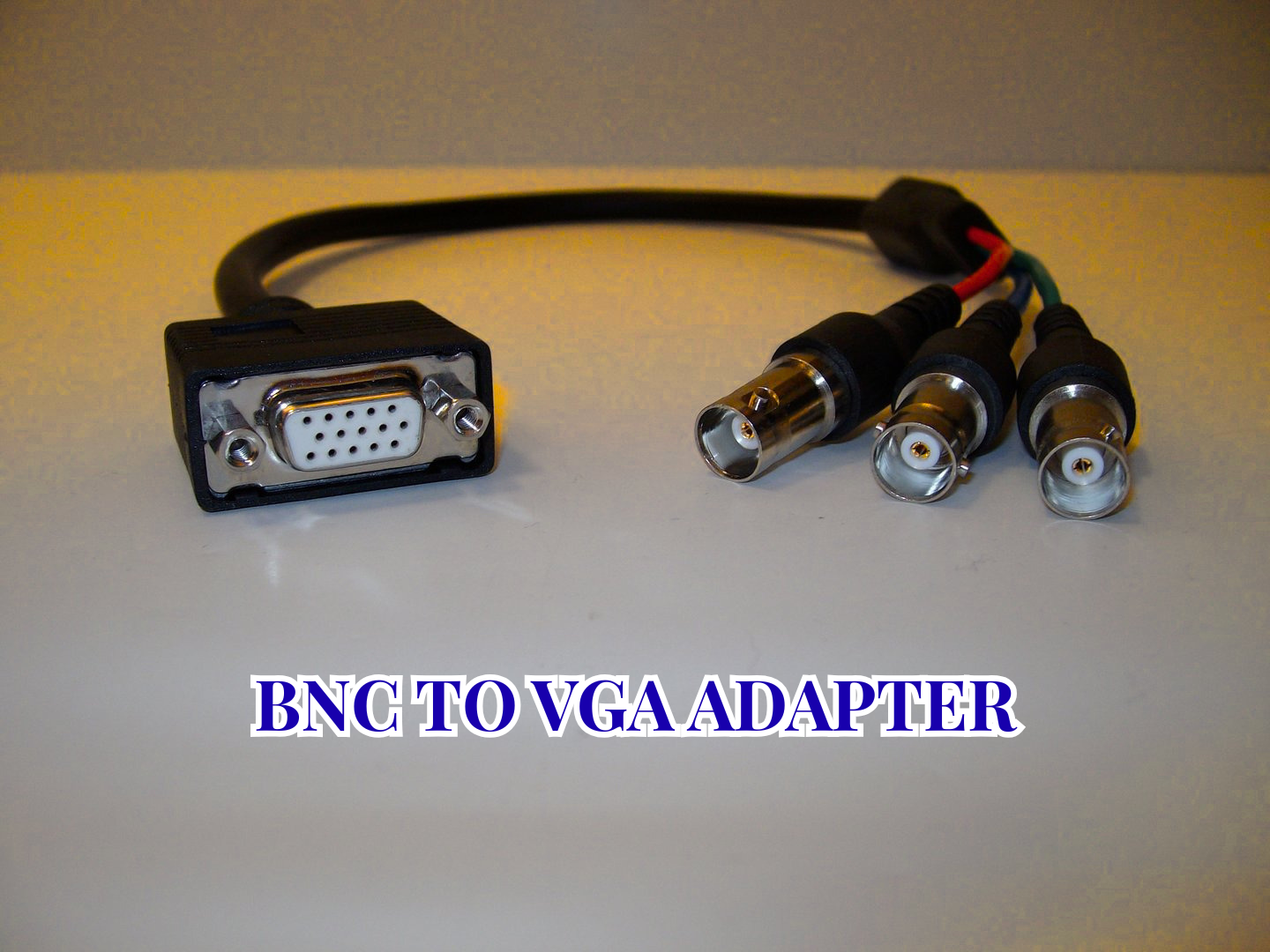
A BNC to VGA adapter is an important device used in video surveillance and display systems. It helps users connect older CCTV cameras, DVRs, or security devices that use BNC video output to monitors and screens that support VGA input. Many old surveillance systems still work perfectly, but modern monitors often no longer include BNC ports. Because of this, a BNC to VGA adapter becomes a practical and affordable solution.
In homes, offices, schools, shops, and industrial buildings, security cameras are often connected through coaxial cables using BNC connectors. At the same time, VGA monitors remain common in many computer systems and display setups. Since these two technologies use different signal formats, they cannot communicate directly without a converter. The adapter solves this issue by converting the video signal into a compatible format.
This small device plays a major role in extending the life of older CCTV systems. Instead of replacing an entire security network, users can simply use an adapter and continue monitoring video feeds on newer screens. This reduces expenses and makes system upgrades much easier.
What is a BNC to VGA Adapter?
A BNC to VGA adapter is a video signal conversion device designed to convert analog composite video signals into VGA-compatible signals. It allows analog cameras and DVR systems to display video on VGA monitors, LCD screens, or projectors.
The term BNC stands for Bayonet Neill–Concelman, which is a type of connector commonly used in CCTV systems, radio equipment, and professional broadcasting devices. BNC cables are known for secure connections and stable signal transmission over long distances.
On the other hand, VGA, which stands for Video Graphics Array, is a display interface commonly used for computer monitors and projectors. VGA transmits analog RGB video signals and became highly popular in desktop computing for many years.
Although both BNC and VGA use analog technology, their signal structures are completely different. A VGA monitor cannot directly understand composite video from a BNC connection. This is why a simple cable alone usually does not work. A proper BNC to VGA adapter contains internal processing hardware that converts the signal correctly.
The adapter acts as a bridge between old surveillance hardware and modern display equipment. It receives the analog signal from the CCTV device, processes the video information, and outputs a VGA-compatible display signal.
How a BNC to VGA Adapter Works
The working process of a BNC to VGA adapter involves several signal conversion steps. The adapter first receives the composite analog signal coming from a CCTV camera or DVR through the BNC connector.
This composite signal contains all image information combined together. However, VGA monitors require separate RGB color channels along with synchronization data. The adapter uses an internal video processing chip to decode and reorganize the incoming signal.
The device separates the brightness, color, and sync information from the composite video source. After processing, it converts the signal into VGA format and sends it to the monitor. The monitor can then display the video feed correctly.
Many modern adapters also include built-in scaling technology. This allows lower-resolution CCTV video to fit properly on modern VGA displays without stretched or distorted images. Some devices additionally support brightness control, image adjustment, and screen positioning.
Most BNC to VGA converters require external power because signal processing needs electrical support. Power is usually supplied through a USB cable or DC adapter.
| Specification | Details |
|---|---|
| Device Name | BNC to VGA Adapter |
| Category | Video Signal Converter |
| Main Function | Converts BNC video signal to VGA output |
| Input Port | BNC |
| Output Port | VGA |
| Used For | CCTV cameras, DVR systems, monitors |
| Signal Type | Analog Video Signal |
| Power Requirement | USB or DC power (in most models) |
| Common Uses | Security systems, surveillance monitoring |
| Compatibility | CCTV cameras, LCD monitors, VGA displays |
| Installation | Plug-and-play setup |
| Main Benefit | Connects old CCTV systems to modern monitors |
| Video Quality | Depends on converter quality and source signal |
| Portability | Compact and lightweight |
| Popular Locations | Homes, offices, schools, factories |
Main Features of BNC to VGA Adapters
Modern BNC to VGA adapters include several useful features that improve compatibility and display quality. One of the most important features is real-time analog video conversion, which allows CCTV video feeds to appear instantly on VGA monitors.
Many converters support multiple display resolutions, making them compatible with different monitor sizes and screen types. Some models can upscale low-resolution video for better clarity on larger screens.
Another useful feature is plug-and-play support. Users usually do not need software installation or complicated setup procedures. Simply connecting the cables and powering the adapter is enough in most cases.
Some advanced adapters also provide:
- Multiple BNC input ports
- Image adjustment controls
- Noise reduction technology
- Multi-camera switching
- HDMI output support alongside VGA
Portable design is another advantage. Most converters are compact, lightweight, and easy to install in control rooms or security cabinets.
Types of BNC to VGA Adapters
There are different types of BNC to VGA adapters available in the market. The right option depends on the user’s setup and video requirements.
Basic Single-Channel Converters
These adapters are designed for simple CCTV systems with one video source. They usually include one BNC input and one VGA output. Basic converters are affordable and commonly used in homes or small shops.
Multi-Input Converters
Multi-channel converters support several camera inputs at the same time. These are useful in offices, warehouses, banks, and security control rooms where multiple surveillance cameras are installed.
Professional Video Scalers
Professional-grade converters include advanced video processing technology. These devices provide better image quality, smoother signal conversion, and support for higher display resolutions.
Powered Active Converters
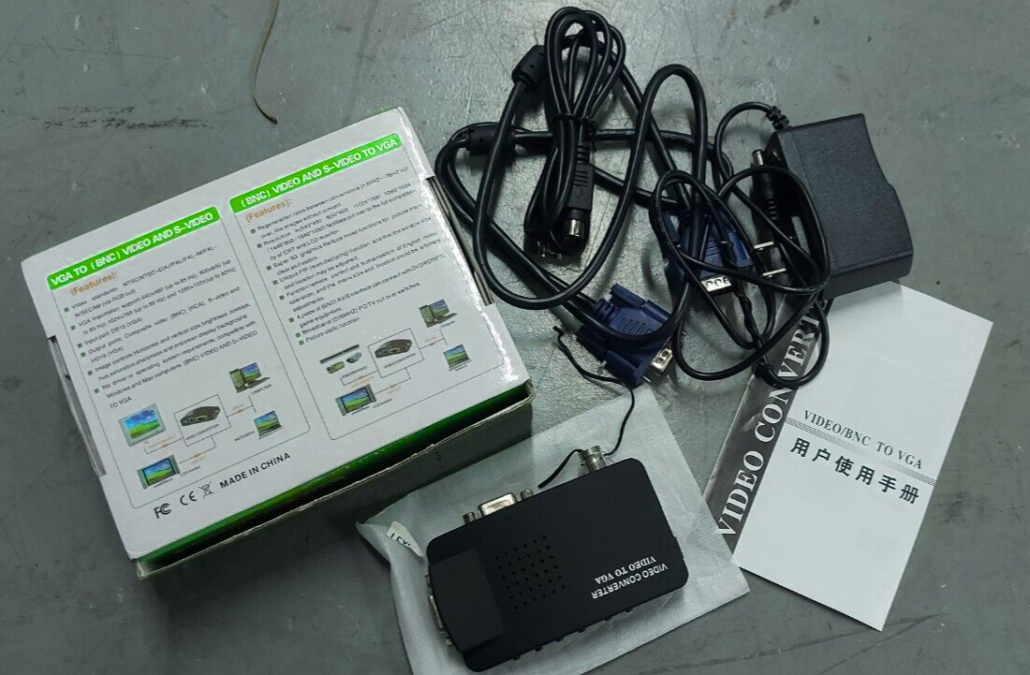
Most modern BNC to VGA adapters are active converters. These devices require power because they process and convert signals internally. Active converters provide more stable video quality compared to passive adapters.
Benefits of Using a BNC to VGA Adapter
One of the biggest benefits of a BNC to VGA adapter is cost savings. Many businesses and homeowners already have functional CCTV systems. Replacing every camera and DVR can be expensive. Using a converter allows the existing system to continue working with newer displays.
Another advantage is improved compatibility. Older analog cameras can still be used with VGA monitors, reducing the need for immediate equipment replacement.
Installation is also very simple. Most adapters work without special technical knowledge. Users can connect the cables, power the device, and start viewing footage within minutes.
BNC to VGA adapters also improve flexibility. Security staff can use modern LCD monitors instead of older CRT displays, creating a cleaner and more comfortable monitoring environment.
In industrial setups, these adapters help maintain long-term surveillance systems without interrupting operations. This is especially important in factories and production facilities where reliability matters.
Where BNC to VGA Adapters Are Commonly Used
BNC to VGA adapters are widely used in CCTV surveillance systems. Many homes and businesses still operate analog cameras connected through BNC cables. These adapters make it possible to display footage on VGA-enabled monitors.
Control rooms also use these devices extensively. Airports, banks, shopping centers, and industrial plants often rely on older surveillance systems that still provide reliable monitoring.
Educational institutions sometimes use legacy security systems as well. Instead of replacing all hardware, schools and universities often install converters to maintain compatibility with newer screens.
Industrial monitoring systems are another common use case. Manufacturing facilities and warehouses frequently use CCTV systems for safety monitoring, equipment observation, and security control.
Broadcasting and professional video environments may also use BNC converters because BNC connectors remain common in certain professional video equipment.
Choosing the Right BNC to VGA Adapter
Selecting the correct adapter depends on several important factors. First, users should check the compatibility between their CCTV system and the converter. Some adapters support only specific video formats.
Resolution support is also important. Choosing a converter that supports higher resolutions helps improve display quality on modern monitors.
Build quality matters as well. Metal casing adapters usually provide better durability and heat management compared to low-quality plastic models.
Users with multiple cameras should consider converters with several BNC inputs. This makes monitoring easier and reduces cable clutter.
It is also important to buy from reliable manufacturers. Trusted brands often provide better signal stability, improved image quality, and longer product lifespan.
Common Problems and Solutions
Sometimes users may face issues while using a BNC to VGA adapter. One common problem is no video display. This usually happens because of incorrect cable connections or missing power supply.
Low image quality may occur if poor-quality coaxial cables are used. Upgrading cables or using a higher-quality converter often improves the image.
Signal delay can happen in cheaper adapters due to slow processing hardware. Professional converters generally offer smoother and faster performance.
Another issue is unsupported monitor resolution. Adjusting the monitor settings or using a compatible display usually fixes the problem.
Future of BNC to VGA Technology
Modern surveillance systems are gradually moving toward digital technologies like HDMI, DisplayPort, and IP cameras. However, BNC-based systems are still widely used across the world because they remain reliable and affordable.
As a result, BNC to VGA adapters continue to play an important role in maintaining compatibility between old and new devices. Some manufacturers now produce converters that support VGA, HDMI, and USB outputs together.
This evolution helps users continue using older CCTV systems while gradually upgrading their display equipment over time.
Conclusion
A BNC to VGA adapter is a useful and practical device for connecting older CCTV systems to VGA monitors and displays. It converts analog composite video signals into VGA-compatible output, allowing users to continue using existing surveillance equipment without expensive upgrades.
These adapters are widely used in homes, offices, factories, schools, and professional monitoring environments. Their affordability, compatibility, and easy installation make them a valuable solution for both small and large security systems.
Even though modern digital technologies are becoming more common, BNC to VGA adapters still provide an effective way to bridge older analog systems with modern display hardware.