
Introduction
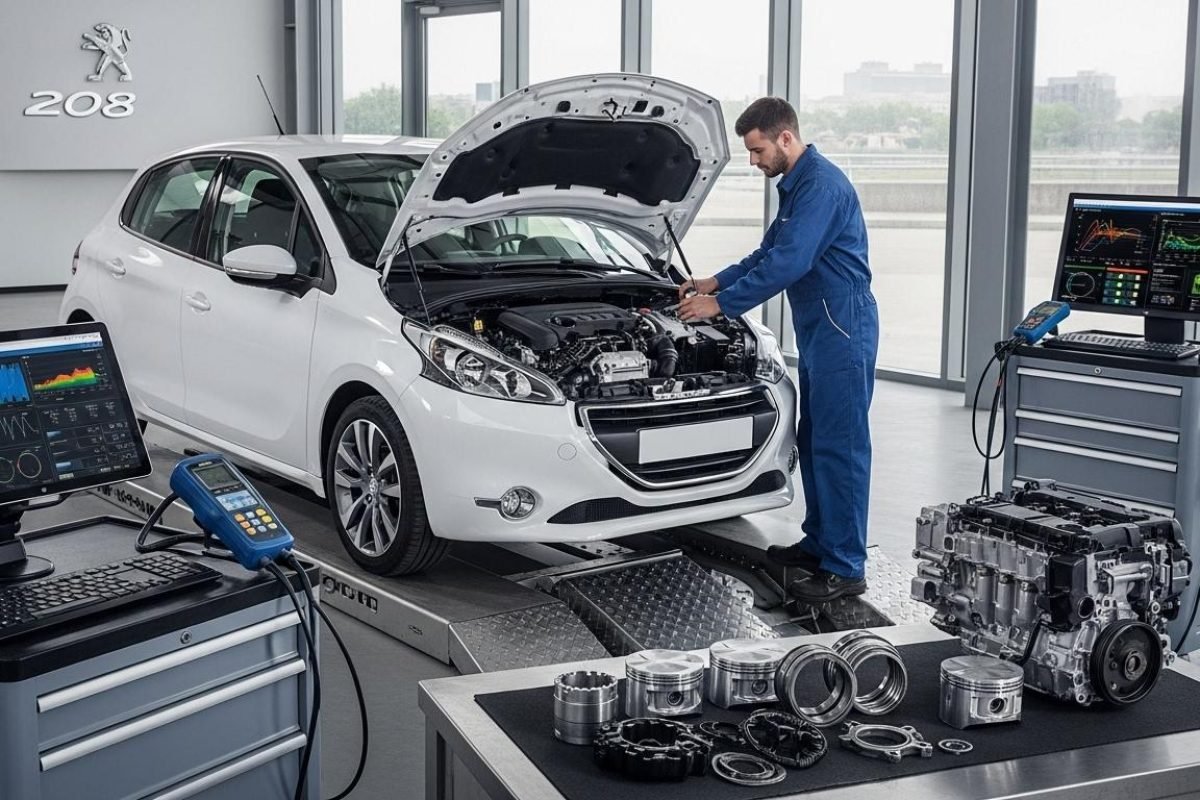
The moteur PureTech Peugeot has become one of the most recognized petrol engine families in the European automotive market. Introduced as part of Peugeot’s effort to develop more efficient and environmentally friendly powertrains, the PureTech engine quickly gained attention for combining strong performance with impressive fuel economy.
Over the years, millions of vehicles equipped with this engine have been sold across Europe and other markets. From compact city cars to family SUVs, the engine has powered numerous Peugeot models while also finding its way into vehicles from Citroën, DS, Opel, Vauxhall, and other brands within the Stellantis group.
Despite its success and several international awards, the engine has also attracted controversy due to reliability concerns affecting certain generations. For drivers considering a Peugeot vehicle or current owners looking to understand their engine better, knowing both the strengths and weaknesses of this technology is essential.
The Origins of the PureTech Engine
moteur PureTech Peugeot developed the PureTech engine family to meet growing demands for lower emissions, improved fuel efficiency, and reduced operating costs. As governments across Europe introduced stricter environmental regulations, manufacturers began replacing larger naturally aspirated engines with smaller turbocharged alternatives.
The result was the creation of the PureTech range, particularly the 1.2-liter three-cylinder engine that would become the brand’s flagship petrol powerplant. Designed with modern engineering principles, the engine aimed to deliver the power of a larger unit while consuming less fuel.
Its compact dimensions, lightweight construction, and advanced combustion technology helped Peugeot create vehicles that were more economical without sacrificing everyday usability.
How the Engine Works
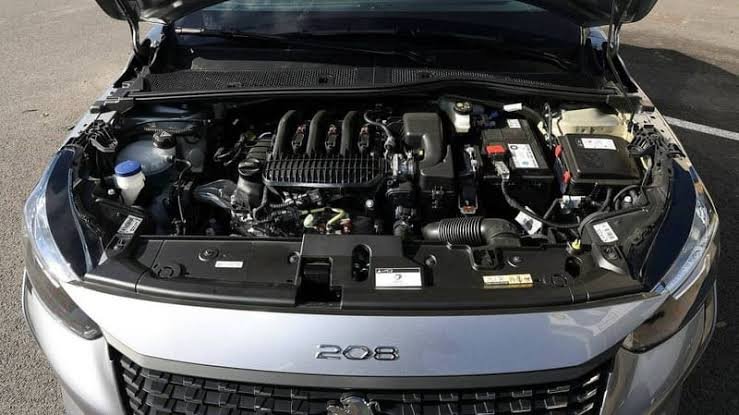
The most common version of the moteur PureTech Peugeot is the 1.2-liter three-cylinder turbocharged engine. Although smaller than traditional four-cylinder engines, it uses turbocharging to increase power output and torque.
Turbocharging allows more air to enter the combustion chamber, enabling the engine to generate stronger performance from a relatively small displacement. This approach not only improves acceleration but also contributes to lower fuel consumption during regular driving conditions.
Advanced fuel injection systems and optimized combustion processes further enhance efficiency. The result is an engine that feels responsive in urban environments while remaining capable on highways and long-distance journeys.
Why the PureTech Engine Became Popular
One of the main reasons for the success of the PureTech engine is its balance between performance and economy. Many drivers appreciate how easily the engine delivers usable power without requiring high fuel consumption.
The engine also contributes to lower vehicle weight. Since it is smaller and lighter than many traditional engines, it helps improve handling characteristics while reducing emissions.
Another factor behind its popularity is versatility. Peugeot has successfully adapted the engine to a wide range of vehicles, including hatchbacks, sedans, crossovers, and SUVs. This flexibility has allowed the company to standardize production while maintaining competitive performance across different vehicle segments.
Award-Winning Engineering
The PureTech engine received significant recognition from automotive experts shortly after its introduction. It earned multiple International Engine of the Year awards, a prestigious achievement that highlighted its technological innovation and efficiency.
Industry judges praised the engine for delivering remarkable performance relative to its size. At a time when downsized turbocharged engines were becoming increasingly common, Peugeot’s engineering team managed to create a powerplant that stood out from competitors.
These awards helped strengthen consumer confidence and contributed to the growing popularity of Peugeot vehicles equipped with PureTech technology.
| Field | Details |
|---|---|
| Engine Name | Peugeot PureTech |
| Manufacturer | Peugeot (Stellantis Group) |
| Engine Type | Petrol/Gasoline Engine |
| Introduction Year | 2012 |
| Configuration | Primarily 3-Cylinder Turbocharged |
| Popular Variant | 1.2 PureTech |
| Fuel Type | Petrol |
| Main Benefits | Fuel Efficiency, Low Emissions, Strong Performance |
| Common Applications | Peugeot, Citroën, DS, Opel, Vauxhall |
| Known Issue | Wet Timing Belt Wear (Certain Models) |
| Current Status | Updated and Improved in Newer Generations |
Fuel Economy and Everyday Driving
Fuel efficiency remains one of the strongest selling points of the moteur PureTech Peugeot. Drivers often report lower fuel consumption compared with older naturally aspirated engines of similar performance levels.
In urban driving conditions, the engine’s compact design and efficient combustion system help reduce fuel usage. On highways, turbocharging allows the engine to maintain comfortable cruising speeds without excessive strain.
For families, commuters, and long-distance drivers, this combination can result in meaningful savings over time. Lower fuel costs are often among the primary reasons buyers choose vehicles powered by PureTech technology.
Performance Beyond Expectations
Many people initially assume that a three-cylinder engine cannot provide satisfying performance. However, the PureTech engine frequently surprises drivers with its responsiveness and torque delivery.
Turbocharged versions produce strong low-end torque, allowing vehicles to accelerate smoothly without constant gear changes. This characteristic is especially useful in city traffic and during overtaking maneuvers on highways.
The engine’s refined tuning also helps minimize vibrations traditionally associated with three-cylinder designs. As a result, many drivers find the driving experience more comfortable than expected.
The Reliability Debate
While the PureTech engine has received praise for efficiency and performance, reliability concerns have significantly influenced its reputation.
The most widely discussed issue involves the engine’s wet timing belt system. Unlike traditional timing belts that operate outside the engine, this design places the belt inside the engine oil.
The concept was intended to reduce friction and improve efficiency. However, some owners experienced premature belt deterioration, particularly in earlier engine generations.
As the belt degraded, small rubber particles could contaminate the engine oil. In certain cases, these particles restricted oil circulation and contributed to mechanical problems.
The issue became one of the most debated topics among Peugeot owners and automotive technicians throughout Europe.
Oil Consumption Concerns
Another challenge reported by some owners involves excessive oil consumption. Although not every vehicle experiences this problem, certain engines have required more frequent oil top-ups than expected.
Excessive oil consumption can increase maintenance costs and may indicate underlying mechanical wear if left unaddressed. Because of this, owners are generally advised to monitor oil levels regularly and follow manufacturer maintenance schedules carefully.
Routine inspections can help identify potential issues before they develop into more expensive repairs.
Peugeot’s Response
Recognizing customer concerns, Peugeot and Stellantis introduced several measures aimed at improving reliability.
Engineering updates were implemented on later engine versions, including revised timing belt materials and updated maintenance recommendations. Service campaigns and warranty support programs were also introduced in various markets.
More recent PureTech hybrid powertrains have moved toward timing chain technology, which many industry observers consider a more durable long-term solution.
These improvements demonstrate the manufacturer’s efforts to address concerns while preserving the efficiency advantages that made the engine successful in the first place.
Maintenance Matters
Proper maintenance plays a major role in determining the long-term reliability of any engine, and the PureTech family is no exception.
Owners should ensure that oil changes are performed according to manufacturer specifications using approved lubricants. Regular inspections of the timing belt system are also important, particularly for vehicles equipped with earlier engine generations.
Ignoring maintenance intervals can accelerate wear and increase the likelihood of costly repairs. Conversely, well-maintained engines often provide many years of dependable service.
Keeping detailed service records can also help maintain vehicle value and provide reassurance to future buyers.
Should You Buy a Peugeot with a PureTech Engine?
The answer depends largely on the specific model year and maintenance history.
For newer vehicles, improvements introduced by Peugeot have helped address many of the concerns associated with earlier versions. Buyers considering a recent model will generally find a more refined and reliable product.
For used vehicles, conducting a thorough inspection is essential. Verifying maintenance records, timing belt replacements, and service history can provide valuable insight into the engine’s condition.
When properly maintained, the moteur PureTech Peugeot remains an efficient and enjoyable engine capable of delivering strong everyday performance.
Final Thoughts
The moteur PureTech Peugeot represents an important chapter in modern engine development. It successfully demonstrated how a small-displacement turbocharged engine could deliver impressive efficiency, competitive performance, and reduced emissions.
Its award-winning design helped Peugeot strengthen its position in the automotive market and provided millions of drivers with an economical alternative to larger petrol engines. At the same time, reliability issues involving certain early versions serve as a reminder that innovative engineering can sometimes introduce unexpected challenges.
For prospective buyers and current owners alike, understanding both the advantages and limitations of the PureTech engine is the key to making informed decisions. With proper maintenance and attention to service requirements, many PureTech-powered vehicles continue to provide dependable transportation while maintaining the efficiency that originally made them so popular.