
Introduction
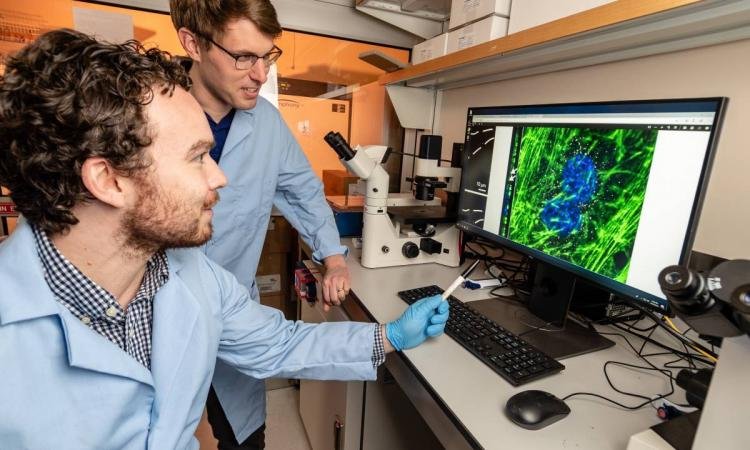
At the heart of innovation in modern engineering and science education, the Georgia Institute of Technology stands out as one of the world’s leading research universities. One of its most defining academic experiences is undergrad research gatech, a structured pathway that allows undergraduate students to step directly into real laboratory work, academic inquiry, and innovation-driven projects.
Unlike traditional classroom learning, this experience places students in environments where ideas are tested, prototypes are built, and discoveries are made. The concept of undergrad research gatech has become a major reason why Georgia Tech graduates are highly valued in industries such as artificial intelligence, robotics, aerospace, biomedical engineering, and computing.
This article explores what it is, how it works, its benefits, and how students can become part of this academic ecosystem.
What Undergraduate Research Means at Georgia Tech
Undergrad research gatech refers to structured research opportunities where undergraduate students collaborate with faculty members and graduate researchers on ongoing scientific or engineering projects. These projects span across multiple disciplines, from computing and physics to sustainability and life sciences.
At Georgia Tech, research is not reserved only for graduate students. Instead, undergraduates are encouraged to participate early in their academic journey. Many students begin exploring undergrad research gatech during their first or second year, gaining exposure to real-world problem-solving far beyond textbook learning.
This approach reflects the university’s strong commitment to experiential learning and innovation. Students are treated as active contributors, not passive learners.
How the System Works
The structure behind undergrad research gatech is designed to make research accessible and organized. Students typically begin by exploring research areas aligned with their academic interests. These could include artificial intelligence, robotics, environmental systems, data science, or biomedical innovation.
Once a student identifies an area of interest, they may reach out to professors directly or apply through formal programs such as research opportunity platforms. If selected, they join a lab or research group where they contribute under supervision.
In many cases, students commit a few hours per week, often ranging from 8 to 15 hours depending on their schedule and project requirements. Participation can be voluntary, paid, or credited as part of academic coursework.
A key part of undergrad research gatech is mentorship. Students work closely with faculty members and graduate researchers, learning how research questions are formed, how experiments are conducted, and how results are analyzed and published.
The Role of UROP
A major gateway into undergrad research gatech is the Undergraduate Research Opportunities Program, commonly known as UROP. This program is designed specifically to connect students with faculty-led research projects across campus.
UROP helps students identify available labs, apply for positions, and structure their research involvement. It also supports students through workshops, funding opportunities, and presentation events.
Through UROP, students participating in undergrad research gatech gain not only technical experience but also exposure to academic writing, presentation skills, and research ethics. It serves as one of the most accessible entry points into Georgia Tech’s research ecosystem.
Academic Environment and Culture
The academic culture surrounding undergrad research gatech is highly collaborative and innovation-focused. Students are encouraged to think critically, ask questions, and challenge existing ideas. This environment fosters creativity and independent thinking.
Unlike traditional lecture-based education, research labs operate like small innovation teams. Students often work alongside graduate researchers and postdoctoral fellows, contributing meaningfully to ongoing projects.
One defining feature of undergrad research gatech is its diversity of disciplines. Engineering students may collaborate with computing experts, while biology students may work alongside data scientists. This interdisciplinary approach is central to Georgia Tech’s research philosophy.
Benefits of Undergraduate Research Experience
One of the strongest reasons students pursue undergrad research gatech is the wide range of benefits it offers.
Students gain hands-on experience that directly connects academic theory with real-world applications. Whether it is coding an AI model, testing a robotic system, or analyzing environmental data, students develop practical skills that are highly valued in industry.
Another major advantage is career development. Participation in undergrad research gatech significantly strengthens resumes and graduate school applications. Many students go on to secure internships at leading technology companies or continue into top-tier graduate programs.
Mentorship is another important benefit. Students build professional relationships with professors and researchers who guide them academically and professionally. These connections often lead to recommendation letters, collaborations, and future opportunities.
Additionally, some students participating in undergrad research gatech contribute to published papers or present at academic conferences. This level of exposure is rare for undergraduate students at many universities.
Admission and Participation Process
Getting involved in undergrad research gatech requires initiative and preparation. Students typically begin by identifying their academic interests and exploring faculty profiles or research labs that align with those interests.
The next step involves reaching out to professors or applying through structured programs like UROP. Communication plays an important role here, as students are often expected to demonstrate curiosity, commitment, and basic knowledge of the research area.
Once accepted into a lab, students begin working under supervision. The early stages often involve learning foundational tools, reading research papers, and assisting with smaller tasks before moving on to more complex responsibilities.
Consistency and engagement are key factors in success within undergrad research gatech. Students who remain committed often progress into more advanced roles within their research teams.
Skills Developed Through Research
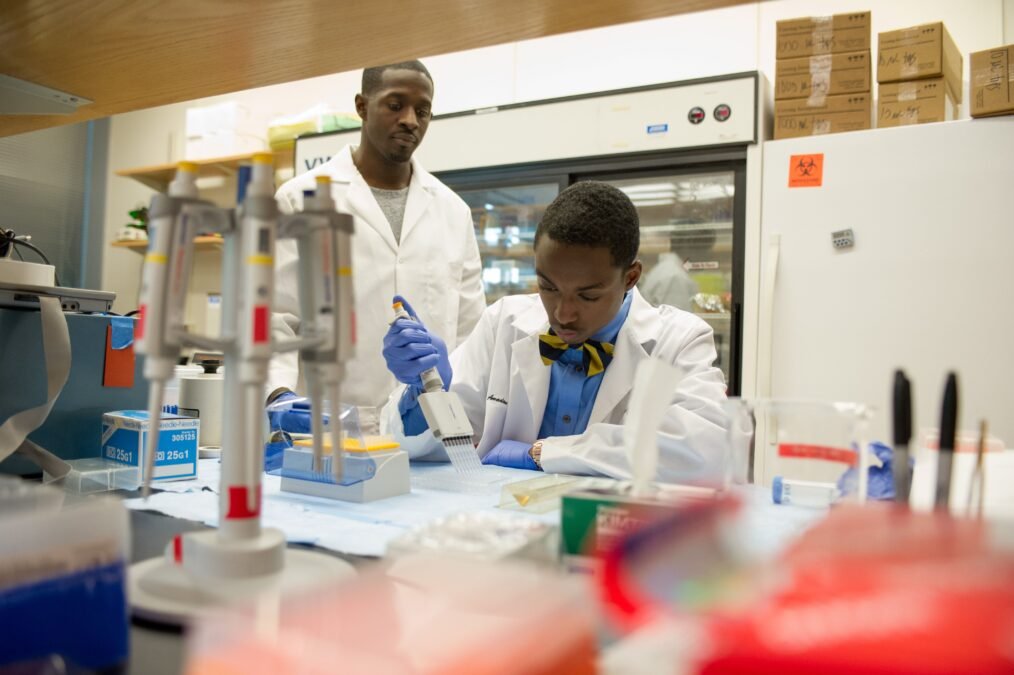
Participation in undergrad research gatech helps students develop a wide range of academic and professional skills. These include analytical thinking, problem-solving, technical writing, and data interpretation.
Students also gain experience using specialized tools depending on their field. For example, engineering students may work with simulation software, while computer science students may develop machine learning models or software systems.
Communication skills are also strengthened, as students are often required to present their findings in meetings, reports, or symposiums.
Overall, undergrad research gatech builds a strong foundation for both academic and professional success.
Common Misconceptions
A common misunderstanding about undergrad research gatech is that it is only for top-performing students. In reality, many students begin with no prior research experience. What matters most is interest, willingness to learn, and consistency.
Another misconception is that research is limited to advanced scientific fields. In fact, Georgia Tech offers research opportunities in a wide range of areas including design, policy, business systems, and interdisciplinary studies.
It is also important to clarify that research participation does not require students to have extensive prior achievements. Instead, students grow into their roles over time.
Important Clarification About Personal Details
It is worth noting that undergrad research gatech is an academic program, not a person or public figure. Therefore, details such as age, height, family background, net worth, physical appearance, or social media profiles are not applicable.
Instead, the focus remains on academic structure, student opportunities, and institutional research culture. The program is defined by educational value rather than personal biography.
Tips for Students Interested in Research
Students aiming to join undergrad research gatech should begin by building curiosity in their chosen field. Reading research papers, attending seminars, and exploring faculty work can significantly improve readiness.
It is also helpful to start early and remain consistent. Many students find that persistence is more important than perfection when applying for research positions.
Strong communication with professors and clear expression of interest can also increase chances of acceptance into research labs.
Most importantly, students should approach undergrad research gatech as a learning journey rather than just a resume-building activity.
Conclusion
Undergraduate research at Georgia Tech represents one of the most valuable academic experiences available to students in higher education. Through structured programs like UROP and direct lab participation, undergrad research gatech provides access to real-world innovation, mentorship, and academic growth.
It is not just an extracurricular activity but a transformative educational pathway that prepares students for careers in science, engineering, and technology.
For students seeking hands-on experience, intellectual challenge, and professional development, undergrad research gatech remains one of the most powerful opportunities available at the university.
FAQs on Undergrad Research at Georgia Tech
Q: What is undergrad research gatech?
A: It is a program where undergraduate students work with professors on real research projects in labs.
Q: Do I need experience to join research at Georgia Tech?
A: No, many students start with no prior experience and learn during the process.
Q: Is undergrad research gatech paid or unpaid?
A: It can be paid, volunteer-based, or credit-based depending on the project.
Q: When can students start research at Georgia Tech?
A: Students can begin as early as their first year if they find a lab.
Q: What fields are available in Georgia Tech research?
A: Fields include AI, robotics, engineering, biology, data science, and more.